



Indoor outdoor living space design is one of the most in-demand features for modern homes, driving both lifestyle appeal and real estate value in 2024. This guide cuts through the hype to show real-world options, pitfalls, and smart steps for creating a seamless blend between your home and your surroundings.
Key Takeaways
- Homes with blended indoor outdoor living space are seeing rising demand and deliver impressive ROI, especially for multi-functional patios and landscaping.
- Major pitfalls include underestimating maintenance needs, permitting, choosing poor materials, and limited weatherproofing.
- Smart design choices and tech upgrades—from sliding doors to sustainable landscaping—can boost both usability and long-term value.
- Understanding the Indoor Outdoor Living Space Trend
- How to Create a Seamless Indoor Outdoor Living Space: A Step-by-Step Guide
- Advanced Analysis: Pitfalls, Drawbacks, and What Most Guides Miss
- Conclusion
- FAQ
Understanding the Indoor Outdoor Living Space Trend
The core idea of an indoor outdoor living space is simple: erase the line between inside and outside so your home feels more spacious, social, and connected to nature. Today’s buyers and homeowners see these features not just as a luxury, but as a must-have for lifestyle and property value.
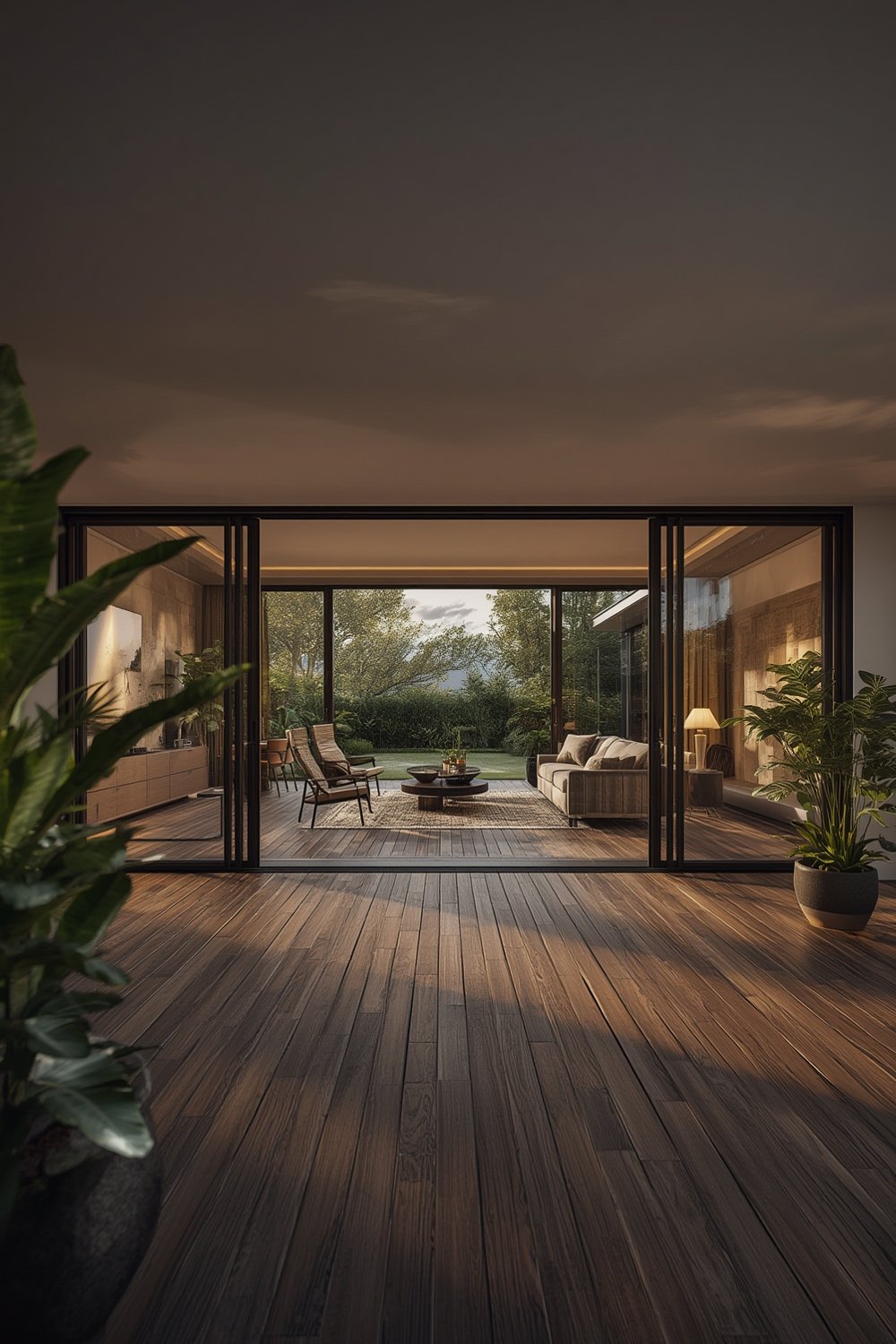
The surge in home improvement since 2020 has brought sharp focus to this transition. Outdoor spaces are up 50% in demand, with 63% of renovating homeowners prioritizing these areas. Many want spaces that work for relaxation, entertaining, and even remote work, all while ensuring low maintenance. Millennials in particular are driving trends like outdoor kitchens and entertainment lounges, with nearly 75% expressing interest in these upgrades. (source)
From multi-slide glass walls to patios that double as dining rooms to sunroom additions, the best spaces are flexible, climate-smart, and harmonious with both architecture and setting. The growing emphasis on sustainability means features like native landscaping, green roofs, and permeable paving are increasingly mainstream as well. For more on care and landscaping, see our low-maintenance lawn care tips.
How to Create a Seamless Indoor Outdoor Living Space: A Step-by-Step Guide
The path to a seamless indoor outdoor living space hinges on both big ideas and small details. Follow these steps for proven results in any region or budget.
- Assess Your Existing Layout and Home Style
Think about the most logical point of transition. In ranch homes, you tend to have the most flexibility with large openings and contiguous floor levels. For smaller spaces, even a single sliding wall or a wide set of French doors can work wonders. - Choose Seamless Connections
The gold standard is large glass sliding doors or retractable glass walls. These physically and visually erase barriers, creating a year-round connection for both air and light.- Tip: Opt for high performance, insulated glass to maintain comfort and energy efficiency.
- Make Indoor and Outdoor Flooring Cohesive
Select flooring materials that either match or flow visually—such as extending wood-look porcelain tile from your living room outward, or adding composite decking in compatible tones. This trick visually extends your room for a bigger, more unified feel. - Integrate Smart Features
In 2024, smart-controlled lighting, irrigation, and sound systems are standard for upscale spaces. 68% of these features are now mobile/app controlled, making them easy to use without stepping outside. Security features like cameras and discreet sensors keep your comfort and privacy intact. (source) - Plan for Weather and Maintenance
Opt for low-maintenance, weather-resistant materials: composite decking, aluminum framing, and outdoor-rated textiles last longer and stay cleaner. Proper waterproofing and smart grading mean your investment won’t be washed away by a summer storm or rotted out in five years. - Upgrade for ROI and Usability
For best resale value: prioritize landscaping upgrades (which show a 100% ROI), a multi-functional patio, and, where appropriate, an outdoor kitchen or fire feature. Sustainable additions like native plants and rain gardens reduce maintenance and attract eco-minded buyers. Learn more in our vegetable garden ideas for beginners. - Understand Permits and Local Codes
Don’t skip this step. Any structural change—especially sunrooms or extra plumbing for kitchens—usually requires permits and inspection. With changing rules on accessory units, checking zoning and HOA guidelines up front saves headaches and money down the line. (source)
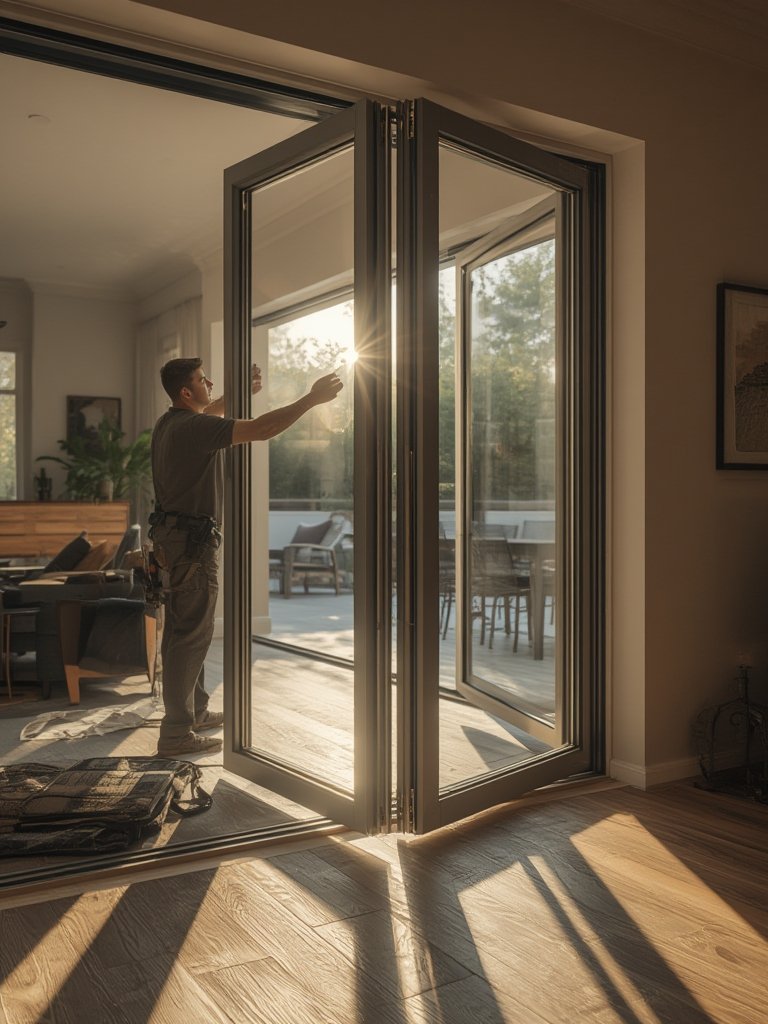
Don’t forget the finishing touches: clever storage, space-saving furniture, and weather-resistant cushions extend use and appeal. Explore space-saving furniture ideas for multi-use indoor outdoor rooms.
For next-level smart living, integrate your new space seamlessly with overall smart home integration, from automated shades to concealed charging stations.
Advanced Analysis: Pitfalls, Drawbacks, and What Most Guides Miss
Many blogs and glossy magazine features make indoor outdoor living space projects look effortless—but most skip over these common issues:
| Feature/Upgrade | Potential Issue | Realistic Solution |
|---|---|---|
| Large Sliding Doors | High upfront cost; can cause heat loss/gain if using poor glass | Invest in double/triple glazed, low-E glass and proper sealing |
| Outdoor Kitchens | Exposure to weather shortens lifespan of appliances; risk of permit errors | Pick outdoor-rated materials; ensure permits for gas/plumbing |
| Composite Decking/Porcelain Floors | Can get hot in sun; slippery when wet | Select “cool-touch” or textured, anti-slip finishes |
| Landscaping Upgrades | Maintenance drag if non-native or thirsty plants chosen | Go native/xeriscape for beauty plus low care |
| Waterproofing | Inadequate detailing leads to leaks, rot, mold | Use pro waterproofing and regular checks |
Most “top” articles skip over maintenance realities—they highlight low-maintenance turf and porcelain floors, but rarely get specific about repair cycles, expected lifespan, or what happens in extreme climates. Cost estimates for technical upgrades are also vague; be ready for wide price ranges depending on finish, size, and automation.
Privacy is another common oversight in open-plan design. If your goal includes a true nature connection, balance openness with privacy screens, native hedges, or smart glass. This lets you enjoy the outside without sacrificing security or comfort.
Sustainable upgrades, like permeable pavement or rain gardens, don’t just help the planet—they often make your space easier to care for long-term. If you’re interested in boosting your garden’s utility, check out our vegetable gardening tips for starters.
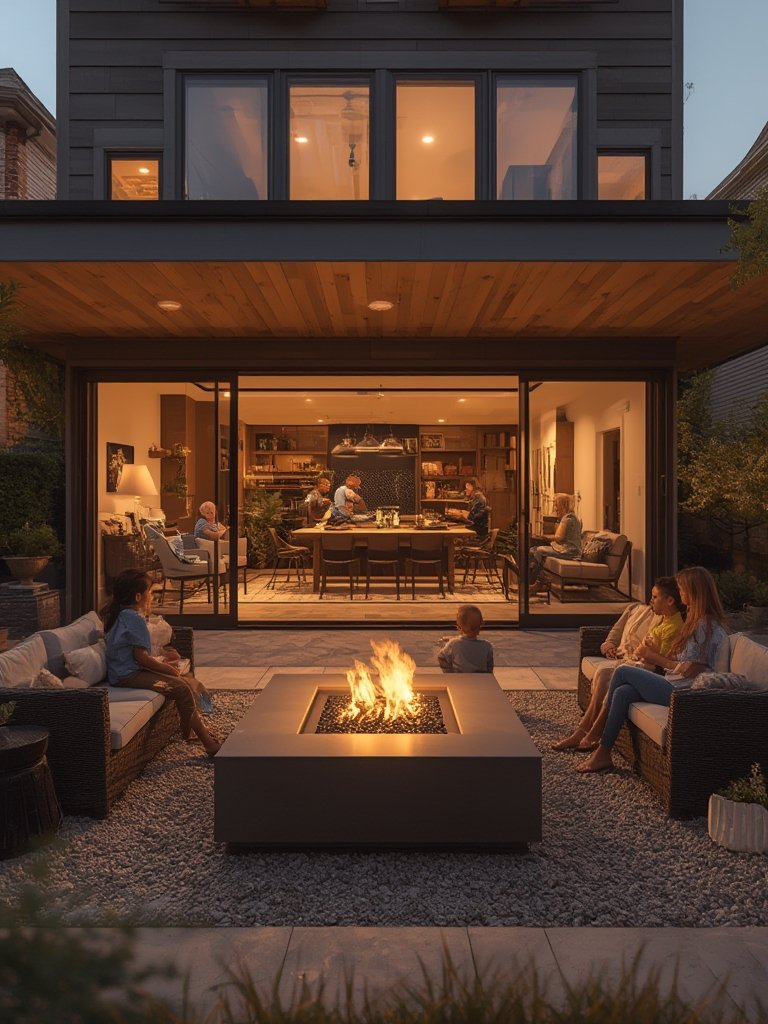
Conclusion
A smartly designed indoor outdoor living space transforms not only your home but also your daily lifestyle and resale upside. The strongest returns and most enjoyable spaces come from detailed planning, smart product choices, and an honest look at climate, privacy, and upkeep needs.
Ready to start? Use the step-by-step guide above to begin your transition and avoid costly pitfalls. If you want to expand your approach, see our latest tips on creating cozy bedrooms or refreshing living rooms.
Explore your options, make a plan, and unlock the full value of a truly seamless indoor outdoor living space—starting today.
FAQ
Do indoor outdoor living space upgrades really add value?
Absolutely. Major upgrades like patios, landscaping, and outdoor kitchens consistently deliver high ROI, with features like well-planned gardens returning up to 100% according to NAR data.
What’s the most budget-friendly way to start blending indoor and outdoor spaces?
Focus on one transition: install a wide set of glass doors or visually consistent flooring. You don’t need a full remodel—a basic upgrade can dramatically improve flow and light.
How do I keep my indoor outdoor space useable year-round?
Invest in weather-resistant materials, all-season textiles, and features like retractable awnings or patio heaters. Automated lighting and smart irrigation also make maintenance easy in any season.
Do I need permits to build a sunroom or add an outdoor kitchen?
Nearly always, yes. Permits are typically required for any structure or new utilities (gas, water, electric). Check with your city and HOA before you start to avoid costly issues later.
Which materials need the least maintenance for outdoor living spaces?
Composite decking, porcelain tile, powder-coated aluminum framing, and outdoor-rated fabrics are among today’s lowest-maintenance choices for floors and structures.