



Outdoor kitchen must have essentials can transform your backyard into an inviting entertainment hub, but skipping the right features can lead to regret and wasted investment. Here’s the unfiltered, practical blueprint for building an outdoor kitchen that’s truly worth the effort.
Key Takeaways
- Build your outdoor kitchen around resilient, functional core features to maximize value—don’t overpay for trendy extras.
- Costs vary dramatically by location, size, and materials; budgeting for installation and permitting is essential for project success.
- Future-proof by planning for utility needs, permitting, and realistic maintenance demands from the start.
- What Makes an Outdoor Kitchen a ‘Must Have’?
- How to Build a Must-Have Outdoor Kitchen: Step-by-Step
- Advanced Analysis & Common Pitfalls
- Conclusion
- FAQ
What Makes an Outdoor Kitchen a ‘Must Have’?
An outdoor kitchen “must have” isn’t the flashiest grill or a pizza oven you’ll rarely use—it’s the group of features that make your outdoor space useful, durable, and enjoyable season after season. The essentials boil down to three main categories: core cooking appliances, durable surfaces, and practical storage and utilities. Skip just one, and your kitchen may feel incomplete or become a maintenance headache.
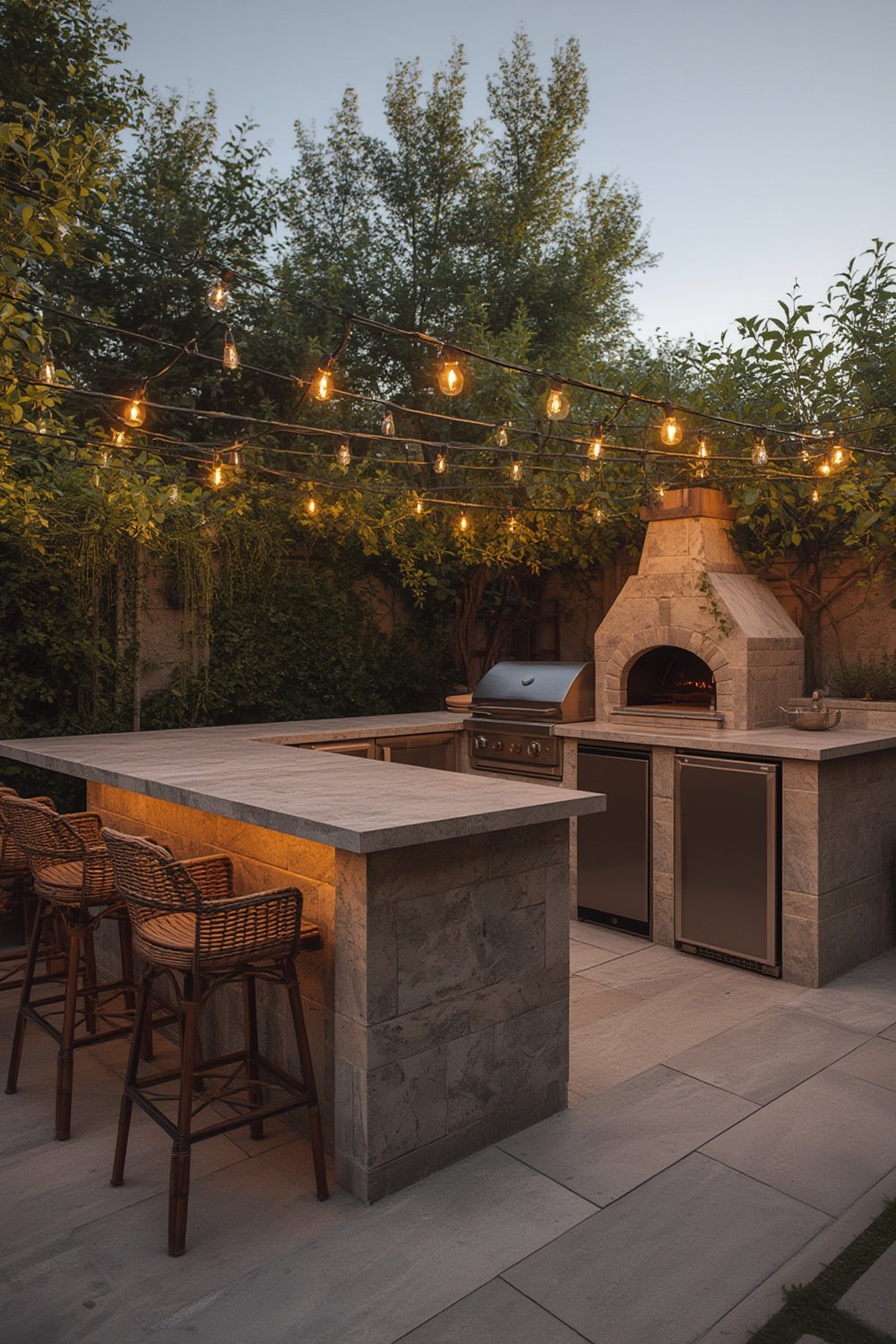
When planning, most homeowners find that at minimum, their outdoor kitchen should include:
- A built-in grill (propane or natural gas, not portable)
- Weatherproof countertop space for food prep and serving
- cabinetry made from stainless steel or masonry
- Essential utility hook-ups (gas, water, electric) for convenience
- Solid, level flooring constructed from non-slip, low-maintenance materials
Everything beyond these basics—like beverage fridges, smokers, or custom pizza ovens—moves you into luxury territory. While tempting, these extras can quickly consume your budget without improving day-to-day function.
Be realistic. If you rarely host large groups or only grill on special occasions, keep it simple. If you want to use your kitchen daily, invest in quality surfaces, storage, and weather protection.
Pairing your new kitchen with a lush, low-maintenance lawn further enhances your outdoor living experience—making weekends easier and stress-free.
How to Build a Must-Have Outdoor Kitchen: Step-by-Step
- Define Your Core UsesDecide how you’ll actually use the space. Do you mainly grill? Need a sink? Plan around your real cooking and entertaining habits, not just design inspiration from magazines.
- Plan Your Layout and LocationChoose a level, easily accessible spot with good drainage. Avoid placing the kitchen in wind tunnels or too far from your home. Ensure there’s enough space for prepping, grilling, and guest seating.
💡 Pro Tip: Before committing to a costly built-in design, sketch your layout on the patio with chalk or painter’s tape. “Test drive” the workflow before spending a dime.🔥 Hacks & Tricks: Need more prep space without expanding your footprint? Use a rolling cart or drop-in cutting boards over the sink/grill—instant countertop space only when you need it.
- Budget Realistically—Factor in Regional CostsCosts can range from $4,000 to $80,000+ depending on scope and location. For example, a medium-size outdoor kitchen in Texas averages $11,737, while the same setup in Los Angeles is closer to $19,605. Coastal and urban areas typically pay more for labor and durable materials (see source).
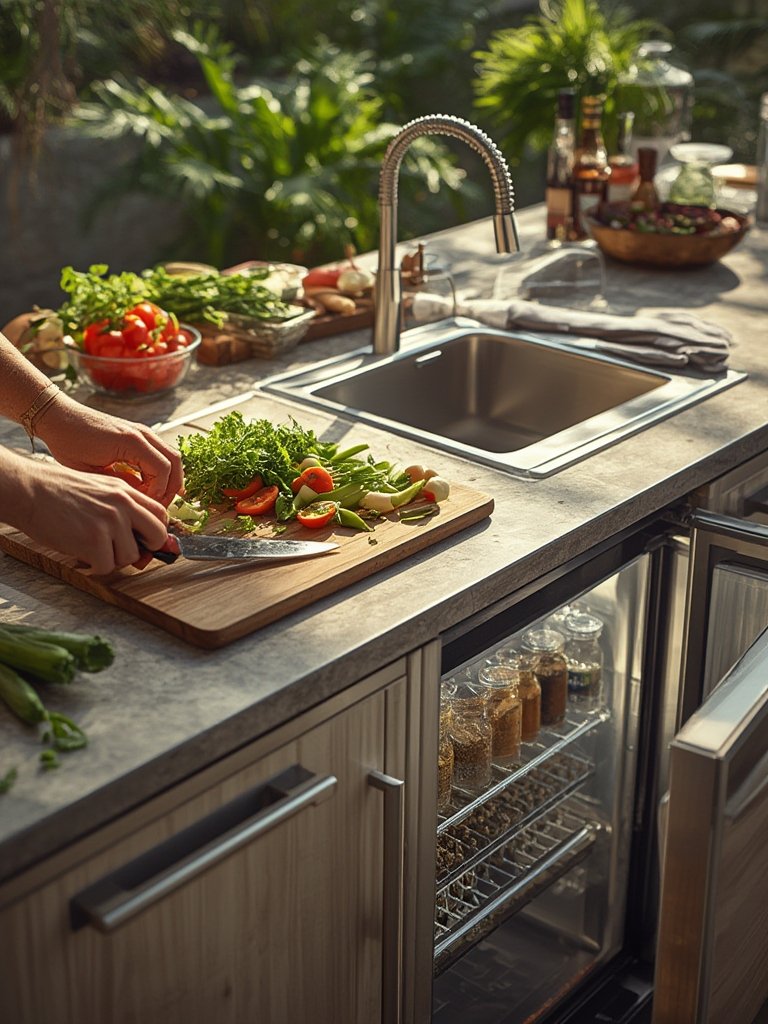
Plan for hidden costs like permitting ($200–$800), labor (often 30–50% of total budget), and increased weatherproofing in harsh climates. For a breakdown by size, a small kitchen ($4,000–$10,000) covers grilling and storage, while full-feature setups run to $50,000+ (learn more).
- Choose Must-Have Features That Fit Your Goals
- Grill or Cooktop: Stainless gas grills are lowest-maintenance. If you’ll never use a side burner, skip it and add a wall-mounted prep shelf instead.
- Weatherproof Surfaces: Stick to granite, concrete, or tile countertops—avoid porous stone or wood that can warp or stain.
- Essential Appliances: A sink and mini fridge are game-changers for regular use, but if budget is tight, prioritize prep space and storage for now.
- Utility Hook-ups: Direct gas and GFCI-protected outlets improve safety and convenience. Cutting corners here leads to expensive headaches.
- Lighting: Don’t overlook task and ambient lighting for safety and comfort during evening gatherings.
- Durable Flooring: Opt for slip-resistant pavers or concrete. Cheap wood decking can rot fast outdoors.
- Storage: Install at least one waterproof, critter-proof cabinet or drawer for tools, utensils, and cleaning supplies.
Want to keep your design streamlined? Explore space-maximizing storage or compact prep solutions—see these space-saving ideas for small patios for inspiration.
- Handle Permitting and Utility Issues UpfrontOutdoor kitchens nearly always require permits for gas, plumbing, or electric lines, plus site inspections and possibly a structural engineer (est. $500–$2,000). Get estimates and expeditor help if your area is strict.
- Build for Real MaintenanceChoose easy-clean finishes, and anticipate at least an annual deep clean. Design storage for cleaning supplies and trash. Skip indoor appliances outdoors—they’re not built to last in the elements.
- Add Shade and Weather ProtectionPergolas or shade sails make the kitchen usable in sun or rain. Invest in weatherproof covers for appliances, or extend eaves for added protection.
For a seamless indoor-outdoor living experience, see how indoor and outdoor zones can be united with design and flow in mind.
Advanced Analysis & Common Pitfalls
No outdoor kitchen is problem-free. Here are the most costly or frustrating mistakes you can realistically face (compiled from industry research and project case studies):
| Common Pitfall | Consequence | How to Avoid |
|---|---|---|
| Skipping Permitting | Fines, removal orders, insurance issues | Check with your city or HOA before building |
| Underestimating Utility Costs | Blown budget, work stoppages, unsafe installs | Get utility quotes ahead of time, budget 20% over estimate |
| Using Indoor Appliances | Corrosion, electrical/fire hazards, voided warranties | Only use appliances rated for outdoor use |
| Poor Drainage or Slope | Mold, rot, unsafe footing | Review drainage during site prep, choose low-maintenance materials |
| No Shade or Weather Protection | Limited seasonal use, sun bleaching, water damage | Add a pergola, canopy, or waterproof covers |
| Cheap Materials | Premature rust, cracking, rodent/insect intrusion | Invest in stainless, masonry, and proper sealing |
| Insufficient Lighting | Trip hazards, unsafe cooking at night | Add dedicated outdoor-rated task and ambient lighting |
On top of these, high labor costs in key markets and difficult site access (think sloped yards, tight side gates) can quickly lead to budget overruns. Working with experienced pros who’ve handled similar installs is worth the extra investment.
If gardening is a big part of your outdoor routine, you might also enjoy these beginner-friendly vegetable garden ideas—great for growing fresh ingredients steps away from your new kitchen.
Modern outdoor kitchens can also benefit from the latest smart home integration features—allowing you to control lighting, music, and even appliance monitoring remotely, if your budget allows.
Conclusion
The best outdoor kitchen must have features aren’t dictated by trends—they’re what actually make the space easy, fun, and sustainable for you. Prioritize a weatherproof grill, sturdy workspace, efficient storage, and proper utility hookups above all else. Everything extra should fit your unique lifestyle and local climate.
Ready to build your dream setup? Start with your list of outdoor kitchen must have priorities, get multiple bids, and don’t skip the permitting step. Investing in quality and proper planning means more relaxing weekends outdoors—and fewer costly surprises.
For more inspiration on tying together your outdoor kitchen and overall living space, see our guide to indoor-outdoor living.
FAQ
What are the absolute must-haves in an outdoor kitchen?
At a minimum, every outdoor kitchen should include a built-in grill, weatherproof countertop, secure storage, reliable utility hookups (gas, electric, water), and a durable slip-resistant floor. Anything else is a bonus for convenience or style.
How much does a quality outdoor kitchen cost?
On average, expect to pay between $13,000 and $16,500 nationally. Budget setups start around $4,000, while luxury installations can top $60,000–$80,000 in high-cost urban or coastal areas. Plan at least 30–50% of your budget for labor and installation.
Do I always need a permit for an outdoor kitchen?
Most municipalities require permits for outdoor kitchens with permanent utilities (gas, plumbing, electric). Even simple setups may need approval for patios or new deck work. Always check local regulations and consider hiring a permit expeditor if your area is strict.
What are the most overlooked outdoor kitchen mistakes?
Common mistakes include using indoor appliances outside, skipping weatherproof materials, under-budgeting for utilities, and failing to install sufficient lighting or drainage. Poor planning for maintenance and shade can also reduce usability and lifespan.
How do I future-proof my outdoor kitchen?
Prioritize flexible layouts, outdoor-rated and modular appliances, and extra utility hookups for potential add-ons. Design with easy cleaning and maintenance in mind to maximize use over the years—and avoid trendy features you’re unlikely to need.
—