



ADU addition 2026 is a game-changing strategy for boosting property value and meeting housing needs, but costs, regulations, and hidden pitfalls make careful planning essential for homeowners in the coming years.
Key Takeaways
- ADU addition costs in 2026 vary dramatically by type and region, ranging from $80,000 for conversions to $500,000+ for detached builds.
- Permitting, utility connections, and unforeseen expenses are the leading causes of budget overruns and frustration.
- Market trends and city regulations are evolving, so successful ADU projects require updated research and realistic financial planning.
- What is an ADU Addition and Why Does It Matter for 2026?
- Step-by-Step Guide to ADU Addition 2026: Planning to Construction
- Advanced Analysis & Common Pitfalls for 2026 ADU Projects
- Conclusion: Is ADU Addition 2026 Right for You?
- FAQ: ADU Addition 2026
What is an ADU Addition and Why Does It Matter for 2026?
Accessory Dwelling Units (ADUs) are small, independent residential spaces added to existing properties—either as conversions, additions, or stand-alone buildings. As housing prices climb and families seek more flexible living arrangements, ADU addition 2026 is at the forefront of strategic property investing, urban density solutions, and affordable multigenerational living.
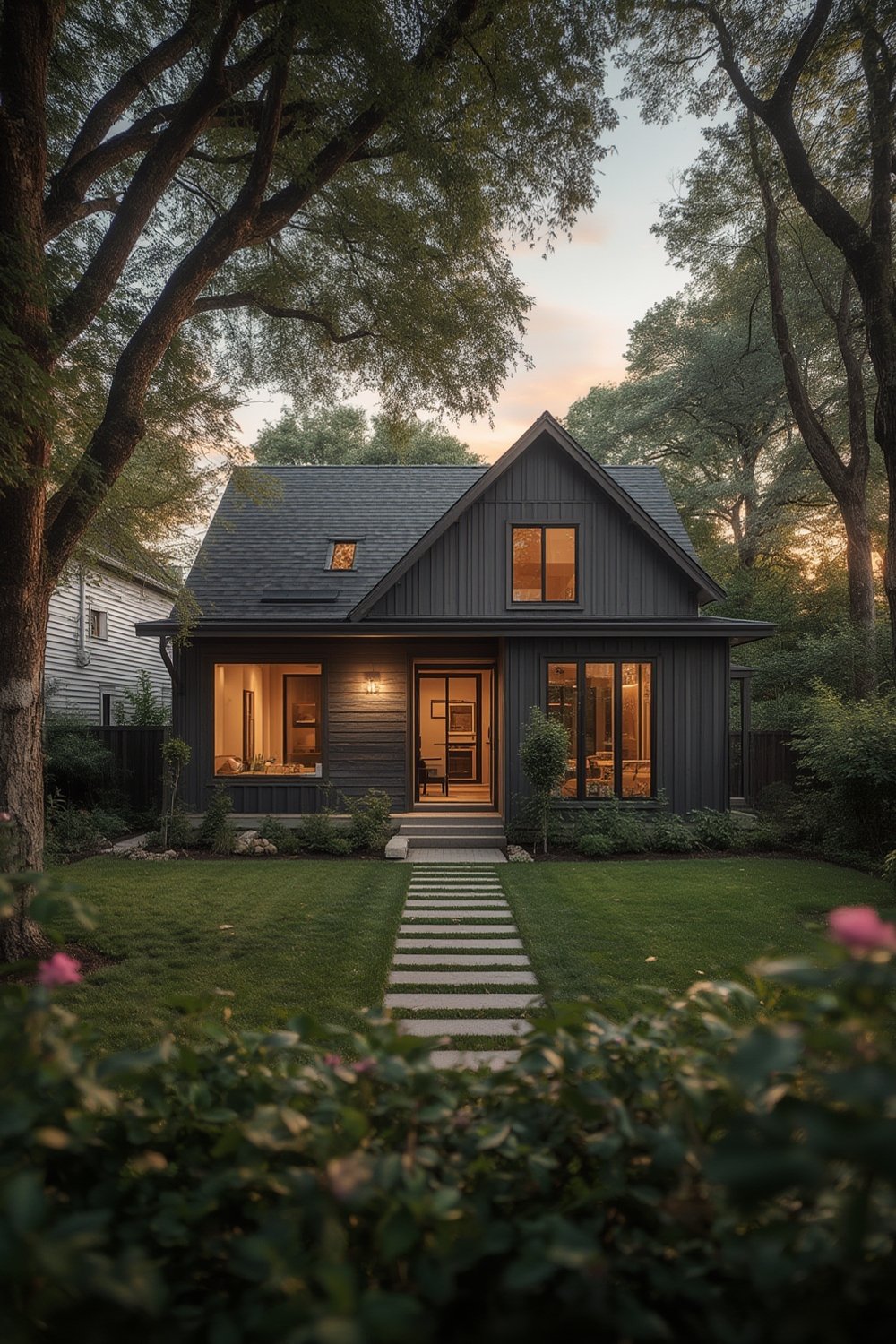
Detached ADUs give homeowners an opportunity to create rental income or extra family living space without moving. Conversion and attached ADUs offer more affordable entry points but come with their own regulatory, cost, and design nuances. In key markets such as California, new state laws and the rising demand for “invisible density” mean ADUs are becoming essential to modern homeownership plans.
But the reality is complex: Costs range from $80,000 to $500,000+, depending on build type and region. Permit timelines, utility connections, and unforeseen expenses still cause major headaches.
Thinking about maximizing the use of your lot? Check out brilliant space-saving furniture ideas and see how ADU-friendly design pairs with smart, efficient interiors.
Step-by-Step Guide to ADU Addition 2026: Planning to Construction
- Assess Local Regulations Early
Research city and state ADU zoning, size, and setback rules for 2026. Cities like Los Angeles and San Francisco often update ADU requirements annually.
Verify cost and local variation sources to anticipate fee structures and restrictions. - Set a Realistic Budget
Use 2026 ADU averages: $150,000 for conversions, $200,000-$350,000 for attached, and $300,000-$500,000 for detached units. Factor in design fees, permitting ($3,000-$20,000), utility connections (up to $10,000+), and potential landscaping or site-work overruns. - Decide on Build Type
Choose detached for maximum privacy and rental value, conversion for affordability, or attached for midrange investment. Use your property’s physical layout to guide the choice. - Hire Experienced Professionals
Bring in architects, permit expeditors, and licensed contractors familiar with 2026 ADU code changes and construction challenges. Pay special attention to those with successful builds in your city or state.
Cost breakdowns by ADU type help vet proposals. - Apply for Permits and Submit Plans
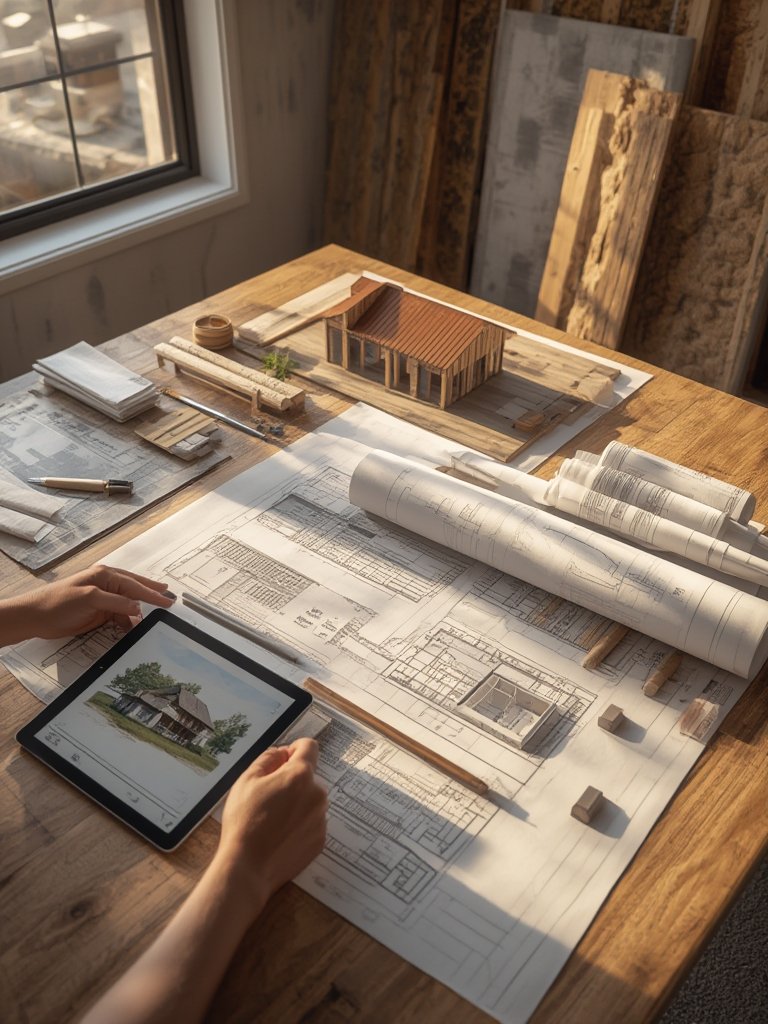
Get all drawings, soil reports, and Title 24 energy compliance documents ready. Expect wait times—even in “fast track” cities, delays are possible due to volume and shifting legislation. - Finalize Design and Secure Financing
Don’t underestimate the value of practical design—open layouts, storage, and adaptable spaces attract better tenants or extended family. Need ideas? Explore cozy bedroom strategies for small spaces.
Investigate HELOCs, renovation loans, and any local ADU incentive programs for smarter financing. - Break Ground and Monitor Everything
Oversee construction checklists, materials orders, inspections, and keep a contingency fund (10-15%). Keep regular communication with your contractor to minimize unforeseen delays or cost spikes. - Utility Connections and Final Steps
Plan for sewer, electrical, and water hookups—typically $5,000 to $10,000+, but possibly more if upgrades needed on older homes. A dedicated utility meter adds flexibility for future rental income.
Global ADU market trends also influence material costs and contractor demand. - Inspection, Approval, and Move-In
Schedule all final city inspections. Only after approvals should you furnish and advertise for tenants or start using for family.
Looking for more ways to keep ADU design flexible? Review our warm minimalist living room guide to maximize small space comfort and future rental appeal.
And before you finalize any build, remember that smart technology integration makes your unit stand out and future-ready—explore essential smart home strategies for 2026.
Advanced Analysis & Common Pitfalls for 2026 ADU Projects
Even with strong demand and ADU-friendly laws, the road from idea to occupancy is rarely smooth. These are the most realistic problems homeowners face with ADU addition 2026:
- Permitting Shocks: Costs from $5,000 to over $20,000 catch many by surprise, leading to project pauses or scale-backs. Incomplete drawings or zoning misreads force repeat submissions and delays.
- Utility Surprises: Upgrading or separating electric and water lines can turn minor projects into $10,000+ headaches—especially on older lots or when city capacity is maxed out.
- Misjudged Construction Budgets: Labor shortages, supply chain hiccups, and code changes mean costs often land 20% above estimates, eroding ROI and creating financial stress.
- No Clear ROI Data: While detached builds enable highest rents, few benchmarks exist for true payback period. Cash flow is also reduced when units remain vacant during drawn-out permit/inspection cycles.
Compare the most common ADU approaches by cost, size, and overall risk:
| Project Type | Cost Range | Cost per Sq Ft | Relative Affordability |
|---|---|---|---|
| Garage Conversion | $90,000–$130,000+ | $100–$250 | Most Affordable |
| Attached ADU | $150,000–$350,000 | $150–$350 | Mid-Range |
| Detached ADU | $300,000–$500,000 | $300–$500 | Most Expensive |
It’s also worth noting that while California leads with favorable ADU permitting laws—like fee waivers for units under 750 sq ft—cities can change local procedures, so always verify before making large investments. Check regional fee and law guides for the latest specifics.
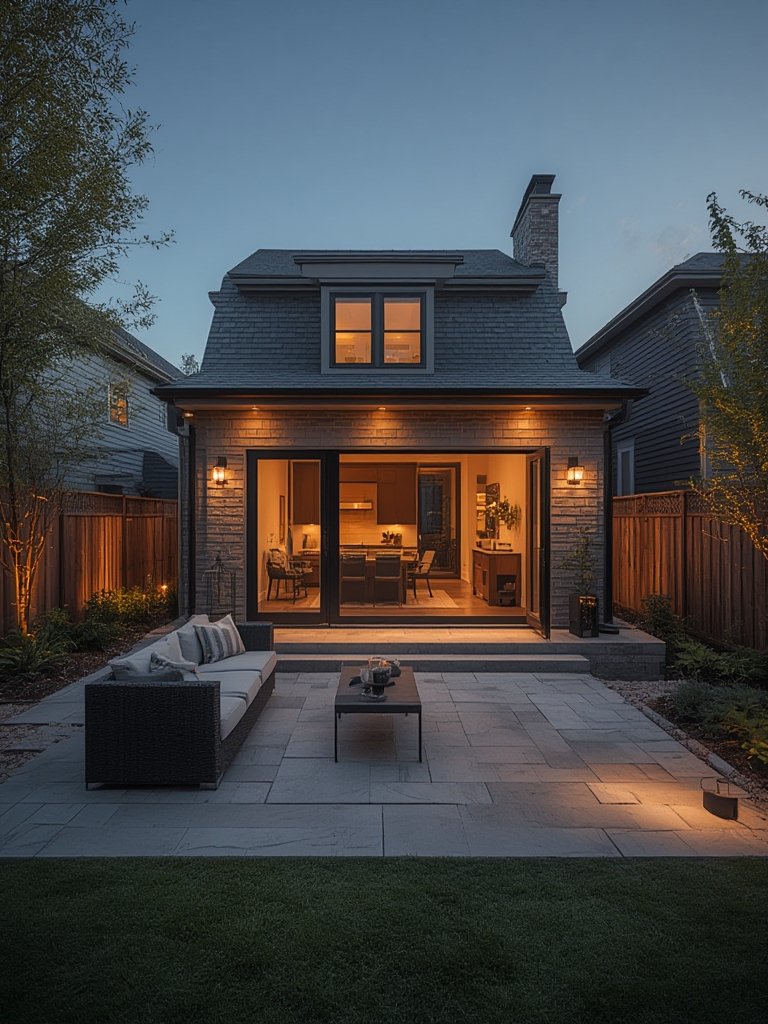
Ready to enhance your property further? A stunning ADU pairs perfectly with indoor-outdoor living ideas for year-round comfort, curb appeal, and lifestyle versatility.
Conclusion: Is ADU Addition 2026 Right for You?
ADU addition 2026 offers serious upside: income potential, flexible living, and a smart property upgrade. But costs, permits, and shifting regulations mean you must do your homework and plan for the unexpected. If you’re prepared and patient, you can unlock new value from the space you already own. Start by studying local rules, budgeting for overruns, and consulting with experts who understand the nuances of ADU addition 2026.
Thinking about starting your own project? Reach out to local pros, research city incentives, and bookmark this guide. And if you want to boost your property’s curb appeal, don’t miss our low-maintenance lawn care tips.
FAQ: ADU Addition 2026
What are the average ADU addition costs in 2026?
Most projects range from $150,000 for basic conversions up to $500,000+ for detached new builds, depending on region, design, and local fees. Construction costs and permitting expenses are still rising in major metro areas.
How long does an ADU addition project take in 2026?
Permitting and construction timelines typically run 6–12 months for most ADU projects. Delays are common, especially in dense cities or during high demand.
Can I rent out my new ADU right away?
Only after final inspection and certificate of occupancy. Make sure your ADU is compliant with all city rental laws before listing for tenants. Consult landlord insurance providers for updated policies.
What’s the ROI on ADU addition 2026?
While some locations offer attractive rental yields, actual ROI varies by construction cost, vacancy rates, and local rental demand. Many experts recommend a contingency fund and caution against overestimating returns, especially when permit approval lags.
What’s the easiest way to lower ADU costs?
Convert existing attached or internal spaces, minimize high-end custom finishes, and keep the square footage under 750 for potential fee waivers. Planning utility access in advance and hiring experienced pros also help avoid expensive mistakes.