


Hidden home storage solutions have become essential for modern living, especially as spaces get smaller and the need for organization grows. Effortless decluttering, practical design, and adaptability are pushing homeowners and renters across the US to look for creative storage ideas that stay out of sight but boost day-to-day usability.
Key Takeaways
- The home storage market is expanding rapidly, driven by demand for hidden home storage solutions and smart modular options.
- Most seamless storage features are found in bedrooms and home offices, but adaptable systems also fit kitchens, bathrooms, and small apartments.
- Renters should focus on non-permanent, modular solutions while homeowners can consider more integrated or built-in hidden storage.
- What Are Hidden Home Storage Solutions? And Why Do They Matter in 2024?
- How to Plan and Implement Hidden Storage: Step-by-Step Guide
- Advanced Analysis: Pitfalls, Costs, and What Most People Get Wrong
- Conclusion & Take Action
- Frequently Asked Questions
What Are Hidden Home Storage Solutions? And Why Do They Matter in 2024?
Hidden home storage solutions refer to storage features that are built into or disguised within a home’s structure or furnishings. These include under-floor storage, concealed shelving, multi-purpose furniture, and integrated wall panels. The main goal is to keep clutter out of sight while maintaining functionality, boosting organization without sacrificing aesthetics.
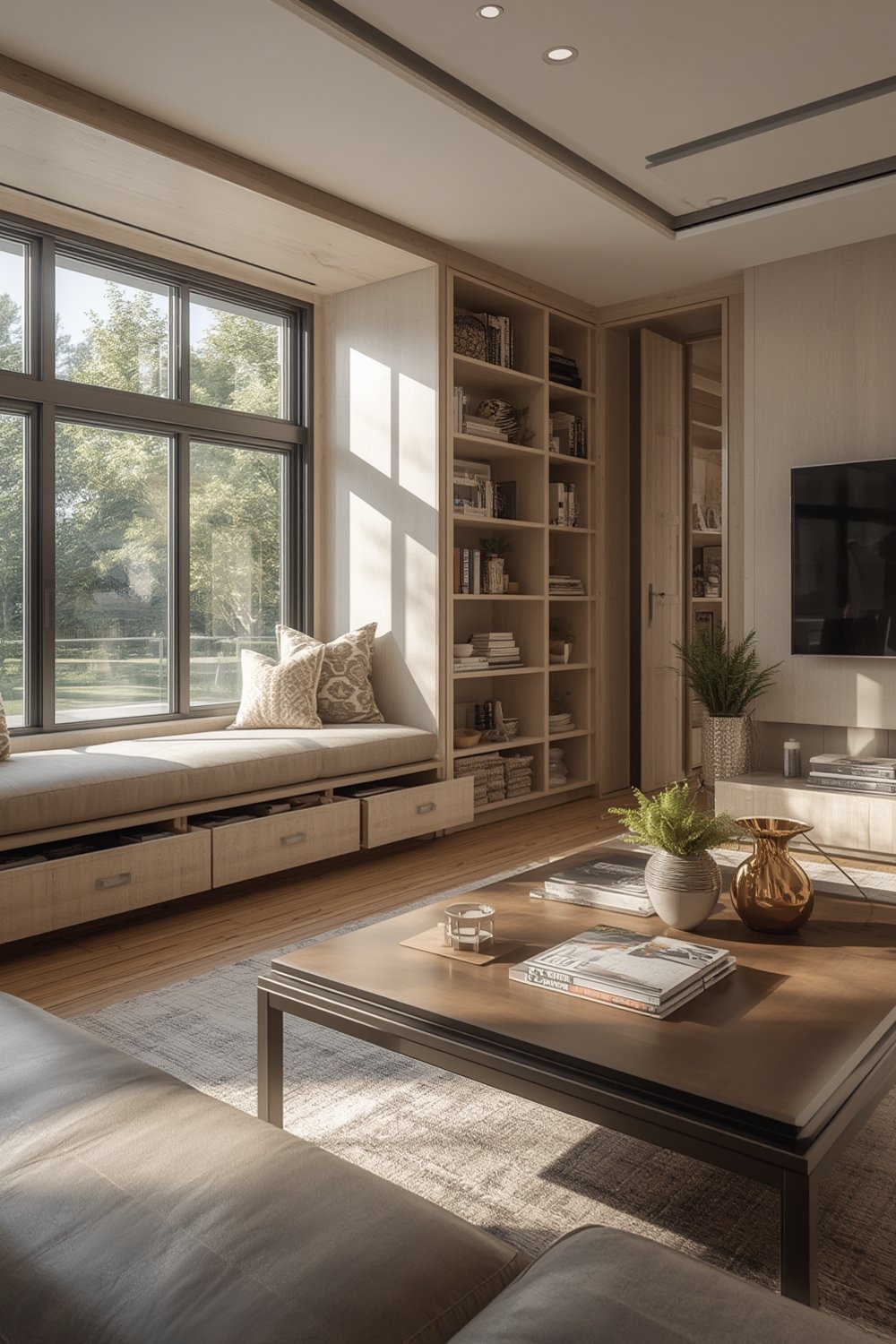
Recent market data shows that the global home storage market hit USD 82.3 billion in 2024 and will soar to USD 135.7 billion by 2035 (see Transparency Market Research). This surge is powered by shrinking urban spaces and the affordability of modular and multifunctional storage. In the US, storage boxes and modular units form the backbone of this market, especially in bedrooms and home offices where organization matters most (source).
Integrating hidden storage also boosts home value and everyday comfort. Renter-friendly solutions like storage boxes or collapsible boxes offer flexibility, while homeowners can invest in more permanent features. For ideas on how to maximize compact spaces, check out our space-saving furniture guide for small apartments.
How to Plan and Implement Hidden Storage: Step-by-Step Guide
Adding concealed storage doesn’t have to be complicated. Here’s a realistic, actionable process that applies whether you rent or own, alongside specific room recommendations and ideas.
Step 1: Assess Your Space
Measure your room dimensions, taking note of unused vertical surfaces, space under beds, staircases, and awkward corners. Observe what items frequently cause clutter.
Step 2: Choose Your Storage Type
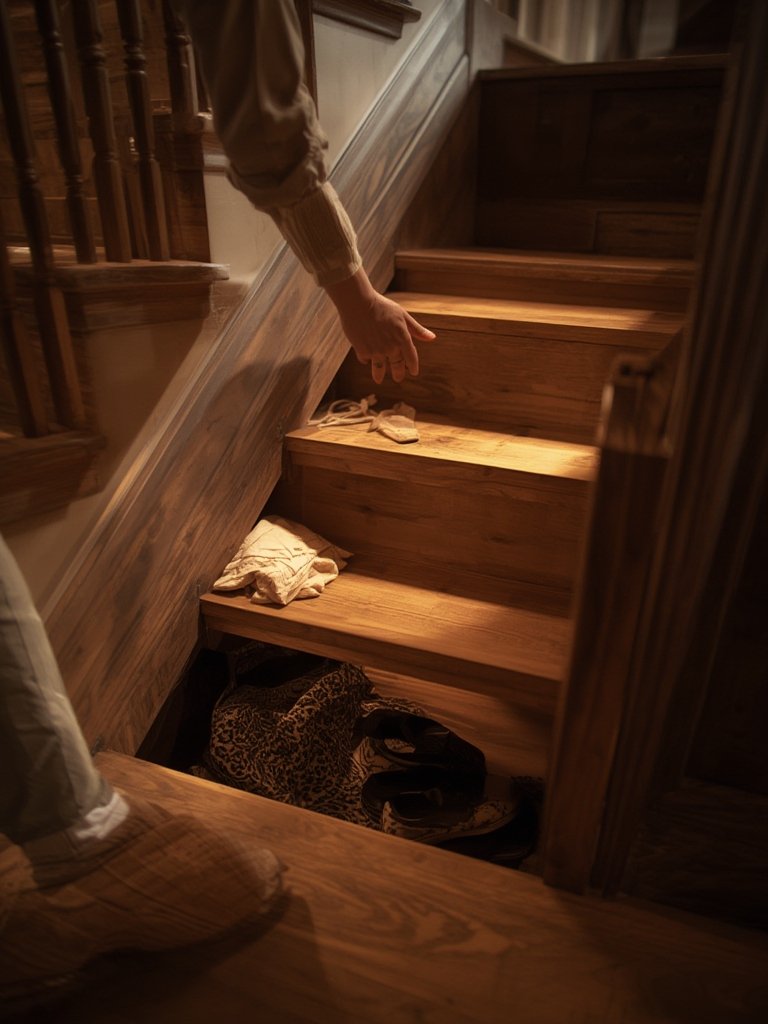
- For homeowners: Consider built-in shelves, hidden wall panels, pull-out drawers within stairs, under-floor compartments, or custom closets with concealed hampers. These require some investment but maximize real estate and visual harmony.
- For renters: Opt for modular cubes, lightweight shelving, storage ottomans, and collapsible boxes. Seek out options that use tension rods or adhesive hooks—easy to remove without marks. Browse options at local big-box stores to see sizing first-hand, a strategy that drives 47.31% of US organizer sales.
For more compact storage inspiration, take a look at our cozy bedroom transformation tips.
Step 3: Prioritize Everyday Accessibility
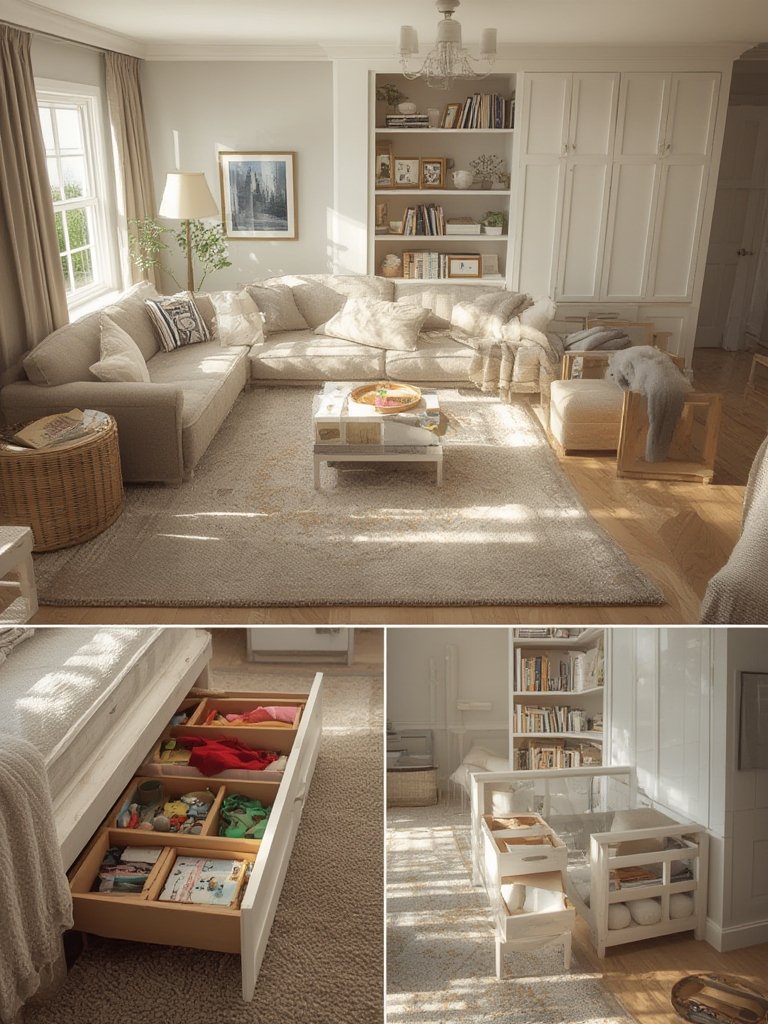
Keep daily-use items in easy-to-reach places—think sliding under-bed drawers for shoes or clothes, and shallow bins on closet shelves for accessories. Use label systems or clear containers when possible for instant identification.
Step 4: Execute with Minimal Fuss
Renters: Install only what you can remove without a trace—no screws, nails, or major adhesives.
Homeowners: If hiring a contractor for custom work, get a clear breakdown of costs and timelines beforehand. For DIY jobs, watch how-to videos and plan for a buffer in your schedule.
Step 5: Maintain and Adapt
Reassess storage needs every few months, especially after seasonal shifts or life changes. Modular products excel here—they’re easy to rearrange as needs evolve, whether for a home office, baby room, or guest area.
Want more organization wins? Our warm minimalist living room ideas show smart ways to keep surfaces clutter-free.
Advanced Analysis: Pitfalls, Costs, and What Most People Get Wrong
Concealed storage can create its own headaches if not planned carefully. Typical pitfalls include blocked access, overcomplicating daily routines, and not aligning with rental agreements. Here’s what to know:
| Solution Type | Ideal User | Installation | Maintenance | Pitfalls |
|---|---|---|---|---|
| Built-in Wall or Floor Storage | Homeowners | Professional installation; moderate to high cost; 1–7 days | Low: occasional hardware checks | Permanent changes, may limit furniture placement, upfront expense |
| Modular Storage Units | Renters & Homeowners | DIY setup; low cost; 1–2 hours | Very low: can wash containers or rearrange easily | May not fit perfectly, less “invisible,” risk of looking messy if not planned |
| Furniture With Hidden Storage (Ottoman, Bed Frame, etc.) | All | Buy & place; minor assembly | Low: clean as part of furniture rotation | Weight limits, less capacity than built-ins, sometimes hard to access contents |
| Storage Boxes & Baskets | Renters, Budget Users | Immediate use; no install | Minimal; easy swap or donation | Visibly cluttered if overused, can slide around, not locked |
Common traps include making storage too hard to reach, using large bins without labels, and installing permanent solutions in rentals, risking deposit loss. Be realistic about what you can change, your budget, and how often you need to adjust your setup.
In bedrooms, integrated solutions like laundry hampers and slide-out drawers (capturing 39.12% of 2024 US sales) blend best with daily routines (source). For a more intentional flow between rooms without sacrificing storage, see our intentional room separation guide for creative strategies.
Conclusion & Take Action
The smartest hidden home storage solutions enhance organization, boost property value, and keep daily life clutter-free, whether you’re renting or own your home. Modular and renter-friendly options lead the market thanks to their flexibility, while built-ins offer unmatched efficiency for those ready to commit. The right setup always aligns with your lifestyle, space constraints, and future plans. Start small, stay realistic, and review needs every few months. For even more practical inspiration, check out our advice on beginner-friendly vegetable gardening ideas or explore ADU additions to rethink what your home can do.
Take the step: Start planning your hidden home storage solutions project today by assessing one room you use most. Adapt the tips above, and don’t be afraid to mix in creative solutions as your needs (and spaces) change.
Frequently Asked Questions
What are the best hidden home storage solutions for renters?
Modular shelving, storage boxes, and free-standing furniture with built-in compartments work best for renters since they require no permanent installation and can be easily removed without causing damage.
How can I add hidden storage without renovating?
Use storage ottomans, beds with drawers, sofa tables with concealed shelving, and baskets that slide under existing furniture. Tension rods and adhesive hooks also provide quick, no-drill storage upgrades.
Are built-in hidden storage systems worth the investment?
For homeowners, built-in and customized options can improve organization and add property value. However, they require upfront costs and should be designed to remain functional as needs evolve.
Which rooms benefit most from hidden storage?
Bedrooms and home offices show the highest sales for integrated storage. However, kitchens, entryways, and bathrooms also benefit—especially when using modular and dual-purpose solutions in small footprints.
Can I remove modular storage units without damaging rental property?
Yes, high-quality modular units are designed for easy removal—just follow the manufacturer’s instructions, avoid adhesives when possible, and keep all hardware for smooth transitions.