



Kitchen renovation 2026 is top of mind for homeowners hoping to upgrade their cooking space for both daily life and future resale. But realistic costs, regional price hikes, and design regrets often surprise even the most prepared. This guide arms you with transparent numbers, real-world planning steps, and essential tips so you can make decisions with eyes wide open—not wallet in hand.
Key Takeaways
- Average kitchen renovation 2026 costs vary widely by size, region, and material—plan for $14,585 to $41,534.
- Biggest regrets and pitfalls often involve underestimating budget, sacrificing functionality, and following fleeting trends.
- step-by-step planning, honest contractor talks, and balanced designs help avoid costly mistakes.
- What Every 2026 Kitchen Renovation Needs to Get Right
- Step-by-Step Guide: Planning a Realistic Kitchen Renovation in 2026
- Advanced Analysis & Common Pitfalls of Kitchen Renovation 2026
- Conclusion
- FAQ
What Every 2026 Kitchen Renovation Needs to Get Right
Kitchen renovation in 2026 is as much about strategic investment and honest design choices as it is about upgrading style. Whether you’re refreshing a small galley or gutting a sprawling floorplan, the single most important principle is clarity—on cost, priorities, and lasting value. Without it, even the best intentions can spiral into regret, overspending, and daily annoyances that undermine the joy of your new kitchen.
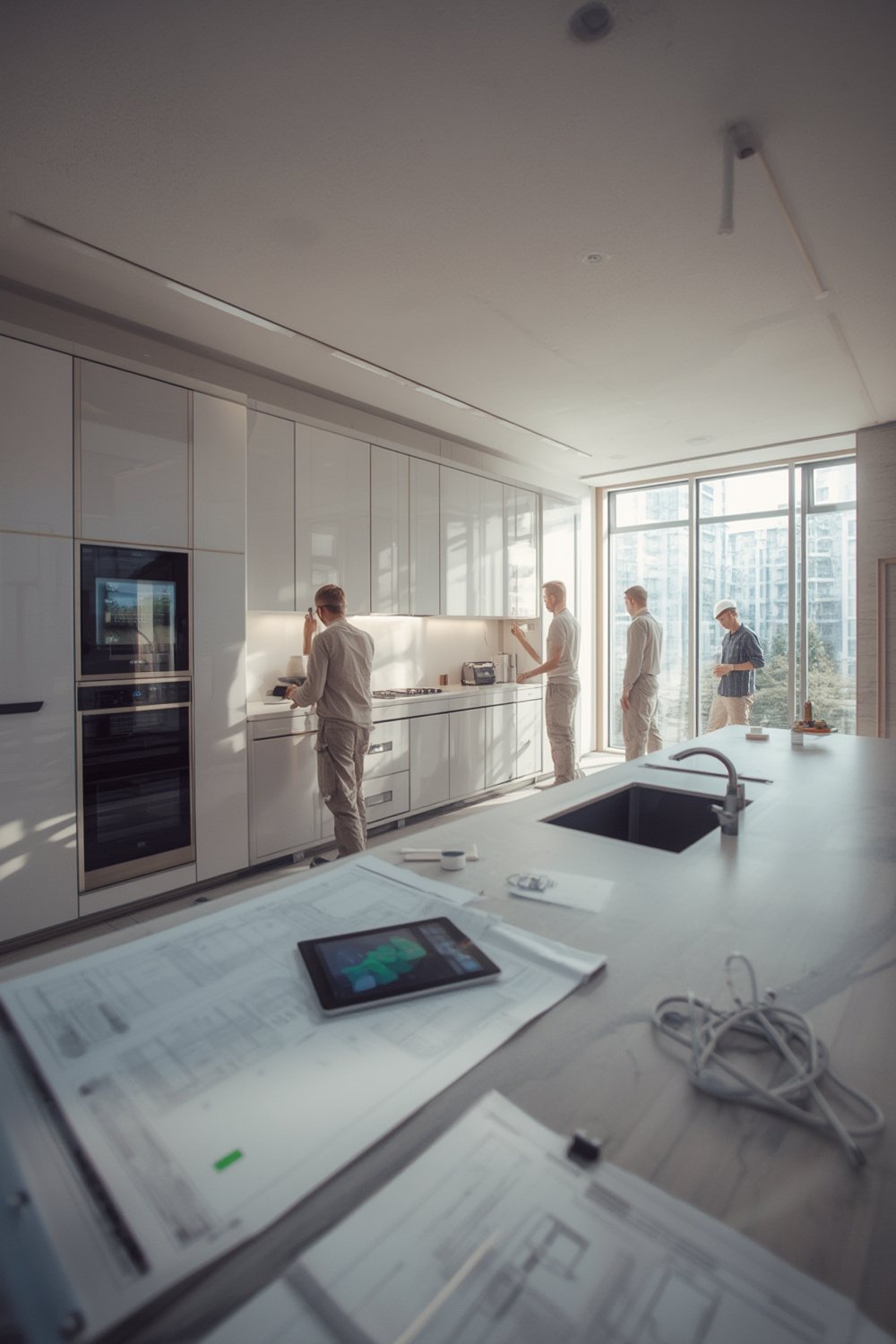
Start by knowing the numbers. National average kitchen remodel costs in 2026 range from $14,585 to $41,534, with a typical middle-ground near $26,962. That breaks down to $75 to $250 per square foot—minor remodels run $10,000 to $20,000, while a full-scale gut renovation can top $65,000 or climb into six figures, especially in pricier markets like Northern Virginia or the California Bay Area (source).
Here’s what influences your true bottom line:
- Kitchen size: 75 sq ft: $5,600–$17,500; 100 sq ft: $7,500–$25,000; 200 sq ft: $15,000–$50,000.
- Region: Northwest: $25,600–$61,100; Midwest: $10,300–$34,300; Northeast: $10,800–$40,400; Bay Area full-gut: $100,000–$200,000+ (source).
- Scope & materials: Basic: $75–$150/sq ft. Mid-range: $150–$250/sq ft. High-end: $250–$400+/sq ft (even higher for custom/luxury markets).
Choose cosmetic updates or phased refreshes for lower costs, or plan for $70,000+ if you want custom cabinetry, luxury appliances, and statement finishes across a large kitchen (source). Remember—location can double the price, and a “minor” project in the D.C. area may still cost more than a “full” one in the Southeast.
Most importantly, build flexibility into your plan—for scope changes, unpredictable costs, or splurge-worthy features. If you want inspiration on practical kitchen styles, check out these modern farmhouse kitchen ideas.
Step-by-Step Guide: Planning a Realistic Kitchen Renovation in 2026
- Audit your needs and pain points: List what works in your current kitchen and what feels cramped, outdated, or dysfunctional. Prioritize fixes that improve how you live—counter space, lighting, appliance access—not just how the kitchen looks.
- Set a clear budget, plus 15–20% buffer: Get honest about what fits your finances and region, reference current numbers above, and add margin for inevitable surprises.
- Map your must-haves vs. nice-to-haves: Are new cabinets and attentive storage essential, or will a countertop and lighting uplift suffice?
- Interview local contractors early: Aim for at least three estimates. Ask for references, and demand transparent quotes with material and labor detail down to the last nail.
- Sign contracts only when details are granular: Make sure all selections, timelines, and costs are in writing. Ambiguity breeds costly disputes.
- Plan for function and resale: Avoid hyper-personal or fleeting trends. Favor layouts that support easy movement, durable surfaces, ample lighting, and integrated storage—designs that appeal now and when selling. If you have limited space, you might draw inspiration from space-saving furniture ideas and integrated storage solutions.
- Prepare for disruption: Meal-plan around construction, box up kitchenware, and set expectations with your household.
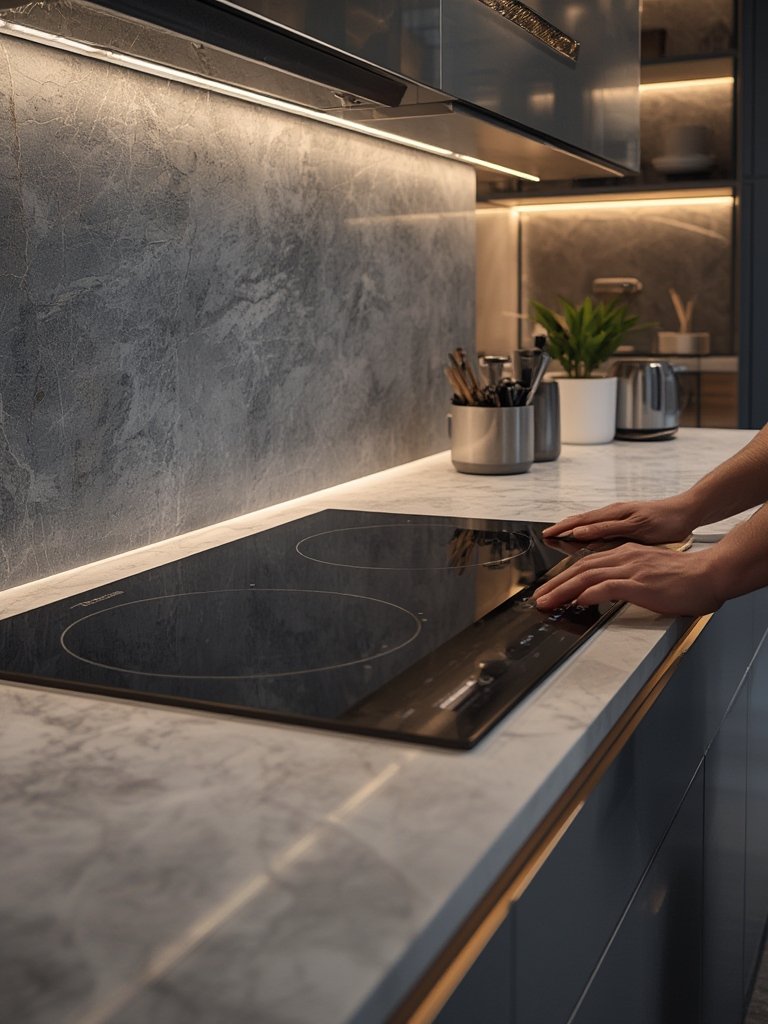
If you want to go deeper on storage and organizational strategies, these hidden home storage solutions show how to maximize space even in busy kitchens.
Advanced Analysis & Common Pitfalls of Kitchen Renovation 2026
Even well-planned kitchen renovations in 2026 face real-world risks and post-project regrets. Let’s break down the most common issues—and how to steer clear:
| Potential Pitfall | What Happens | How to Avoid It |
|---|---|---|
| Budget overruns | Unanticipated labor, material, or design change fees drive project 15–40% over initial quote. | Build in a 15–20% contingency. Demand detailed line-item bids and ask about potential “hidden” charges up front. |
| Regrets about layout or workflow | New features look good, but awkward appliance spacing, pinched walkways, or misjudged counter heights create daily frustration. | Test layout changes with masking tape on the floor. Ask for 3D renderings. If possible, “walk” the space at a showroom or using AR tools. |
| Following fleeting trends | Bold color or finish choices feel dated quickly, undercutting comfort and resale value. | Balance trendy style with timeless layouts (like Shaker cabinets, subway tile, and neutral palettes) for versatility into the 2030s. |
| Underestimating disruption | Construction displaces your cooking for weeks—or months. Stress, dust, and lost kitchen access frustrate daily routines. | Set up a temporary kitchen space elsewhere (garage, basement, patio) and plan an easy-meal strategy in advance. |
| Skimping on lighting or storage | Rushed or purely aesthetic decisions lead to dark corners or daily countertop clutter, reducing usability. | Prioritize layered lighting (ambient, task, accent) and invest in deep drawers, pantry pullouts, and organizational accessories. |
For inspiration on practical but inviting layouts, see ideas that blend both storage and comfort, like cozy bedroom strategies adapted for kitchen seating or multipurpose spaces.
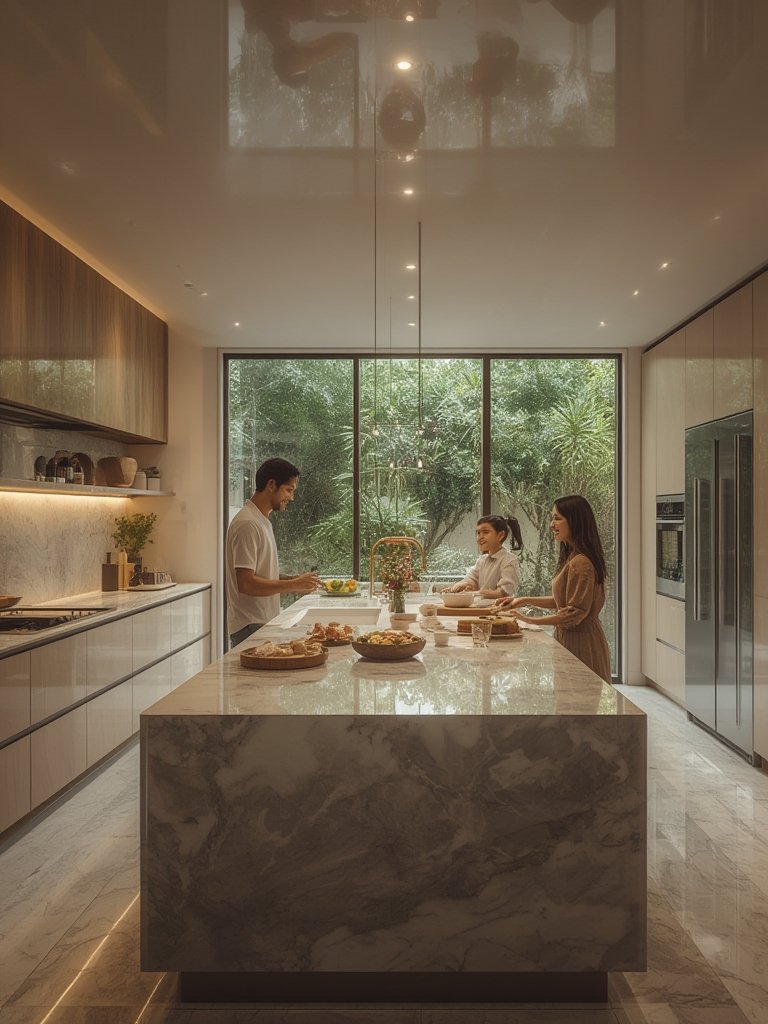
If indoor-outdoor living is important to your lifestyle, planning for an outdoor kitchen in tandem may boost your home’s value even further. But beware—running new utilities outside adds complexity, so factor in both budget and permitting early.
Conclusion
A successful kitchen renovation 2026 is not just about nailing the latest look—it’s about understanding your region’s price reality, balancing custom touches with timeless structure, and making functional choices your future self will thank you for. Build extra margin into your budget, insist on transparent detail at every stage, and remember that the best kitchens serve your daily life as much as they wow your guests. Ready to upgrade your kitchen with confidence? Start your plan today and revisit the steps here whenever you need to regain clarity or avoid common pitfalls.
For more smart home upgrades, see ideas for boosting curb appeal with simple lawn care or browse tips for creating cost-effective ADU additions that future-proof your property.
FAQ
How much does a typical kitchen renovation cost in 2026?
In 2026, the average kitchen renovation ranges from $14,585 to $41,534 nationwide. Costs depend on region, kitchen size, and material choice, often reaching $75,000 or more in high-cost cities. See source.
What’s the biggest mistake homeowners make with kitchen renovations?
Underestimating the final budget is the #1 regret, followed by overlooking layout functionality. Always add a 15–20% buffer to your budget, and test your planned layout for daily comfort before making changes.
Are there ways to renovate without a full gut remodel?
Yes. Refacing cabinets, swapping out countertops, hardware, and lighting can refresh your kitchen for a fraction of a full remodel. Prioritize functional upgrades first.
Which kitchen design elements stay timeless?
Simple cabinetry (like Shaker or slab), neutral palette tiles, durable surfaces, and efficient layouts never go out of style. Avoid overly trendy colors or fixtures if resale value matters.
How can I keep my renovation project on track?
Demand detailed written contracts, select all finishes up front, and be present for key milestones like demo, rough-ins, and final walk-throughs. Communication is your best defense against delays and overspending.