


Aging in place renovation is no longer a niche concern—it’s now the strategy of choice for millions of adults seeking comfort, independence, and cost savings as they grow older at home. Renovating for accessibility is transforming the market, and the right approach can significantly boost both safety and property value. But successful outcomes demand practical planning to avoid common mistakes and hidden frustrations.
Key Takeaways
- Aging in place renovations deliver strong ROI and are significantly less expensive than assisted living options.
- Universal design features like no-step showers and accessible bathrooms boost home resale value and marketability.
- Careful planning and realistic budgeting are essential to avoid common pitfalls and ensure lasting safety and comfort.
- What Is Aging In Place Renovation and Why Does It Matter?
- Step-by-Step Home Renovation Guide for Aging In Place
- Advanced Analysis & Common Pitfalls
- Conclusion
- FAQ
What Is Aging In Place Renovation and Why Does It Matter?
Aging in place renovation refers to modifying a home so residents can live safely and comfortably as they age, reducing or eliminating the need for assisted living facilities. Upgrades focus on accessibility, ergonomic improvements, and future-proofing the space for all ages and abilities. Why does this matter now more than ever? The demand is surging: 93% of adults 55 or older want to age in place and over 75% of homeowners plan renovations.
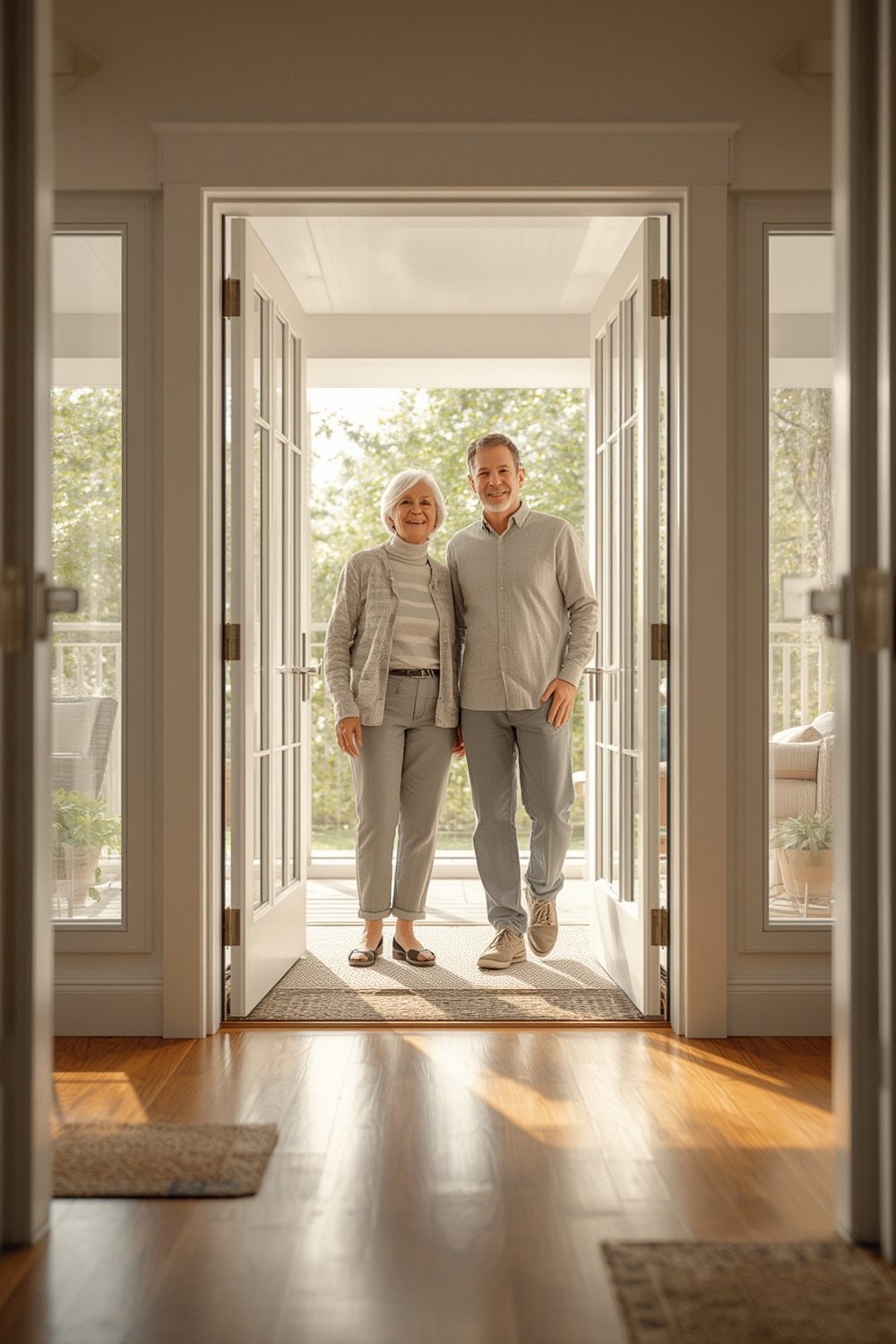
Not only do accessibility renovations offer greater autonomy and dignity, but they also protect against costly falls and injuries—avoiding an estimated $50 billion in annual fall-related expenses. Compared to the national average assisted living cost of over $4,500 per month, investing in home upgrades (typically $3,000-$15,000) pays dividends in both comfort and long-term financial savings (source).
Unlike traditional remodeling, aging in place renovation prioritizes continuous accessibility—such as zero-threshold entries, wider doorways, and barrier-free showers—that deliver cross-generational value. Main-level living layouts, which combine primary bedrooms and bathrooms on the ground floor, are especially popular for multigenerational households and resale potential. For more ideas on universal, space-saving design that works for all ages, see these space-saving furniture ideas.
Step-by-Step Home Renovation Guide for Aging In Place
Planning your aging in place renovation is all about strategy. The right sequence ensures you maximize safety, usability, and return on investment. Here’s a step-by-step framework for homeowners considering this important upgrade:
- Assess Mobility Risks and Walkthroughs: Start by evaluating your home’s trouble spots. Look at all entries, bathrooms, stairs, kitchen setups, and lighting. Use a checklist or invite a certified aging-in-place specialist (CAPS) for expert input. Walk the entire home, paying attention to obstacles that could contribute to falls or fatigue.
- Develop an Accessibility Master Plan: Identify high-impact upgrades first—especially those with the strongest resale value and safety benefit. Common targets include:
- zero-threshold shower or walk-in tub (approx. $5,000)
- Non-slip flooring installation or refinishing
- Widened interior doors (minimum 32-36 inches)
- Grab bars, reachable storage, and adjustable countertops (kitchen/bath)
- Lighting improvements and contrasting color cues for low vision
Consider kitchen layout adjustments, especially if you love to cook—check out these smart kitchen renovation strategies to make your workspace functional for years to come.
- Set a Realistic Budget Range: Plan for $3,000–$15,000 for overall aging in place renovations, but expect to spend more for full bathroom or kitchen reconfigurations. Materials, local labor rates, and customization drive costs. For example, a stair lift costs about $8,000, and adjusting kitchen countertop height averages $18,000 (source).
- Choose Universal Design Features: Universal design isn’t just about ramps and grab bars. Think about:
- No-step entrances with well-lit walkways
- Lever-style door handles (easily operable even if dexterity is reduced)
- Ample bathroom turning space for walkers or wheelchairs
- Smart home devices (voice-activated lighting, fall-detection sensors)
Many low-contrast and natural material finishes (inspired by popular dark wood flooring trends) combine both style and utility.
- Hire the Right Professionals: Seek out contractors experienced in accessibility and universal design—not just general remodelers. Ask for references from clients of similar age or circumstance. Insist on transparency regarding permits and compliance, even if your town lacks specific accessibility codes.
- Phase Your Remodel for Minimal Disruption: Tackle essential high-risk areas (like bathrooms and main entry) first, then move to secondary priorities like kitchens, bedrooms, and exterior paths.
- Future-Proof with Flexibility: Plan for the next decade, not just today. Install blocking in walls for future grab bars, rough-in extra electrical outlets, and ensure home office or living areas are accessible as needs evolve.
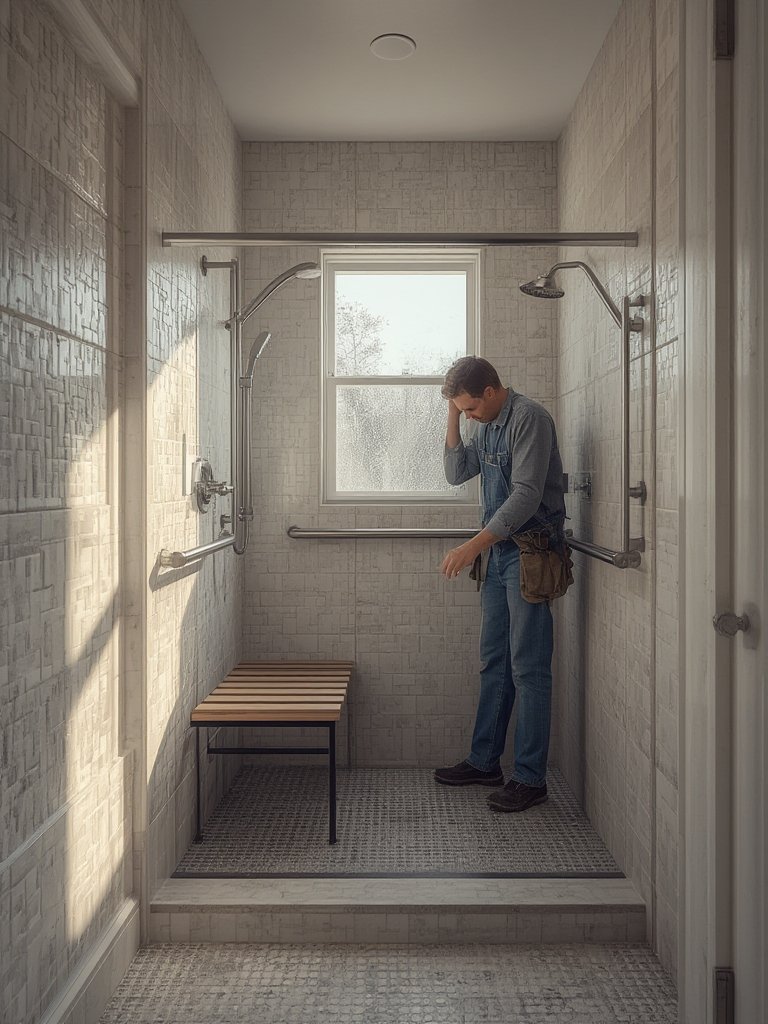
For improving outdoor accessibility and safety, intentional design can help you create more useable garden or patio spaces. Explore low-maintenance lawn care tips to keep your surroundings manageable and safe for all generations.
Remember, some features—like smart thermostat zoning—make long-term living more comfortable across all ages. For insights, see our practical smart thermostat zoning guide that helps with both accessibility and future energy savings.
Advanced Analysis & Common Pitfalls
Although aging in place renovations yield strong returns and can significantly improve daily life, homeowners face several realities:
- Underestimated Scope: Many underestimate the true cost and scale—running out of budget before completing high-risk zones.
- Lack of Universal Compliance: There are no universally enforced ADA standards for private homes, so some upgrades (even contractor-installed) might fall short of genuine accessibility.
- Style Concerns: Some accessible features are perceived as medical or institutional if not integrated thoughtfully, impacting home aesthetics.
- Non-Standardized Smart Tech Costs: While smart automation is a growing trend, pricing and compatibility for voice-tech, emergency alerts, and sensor integration are largely unregulated, so costs can escalate quickly if not managed early.
- Resale Value vs. Personalization: Custom features that work for current residents may reduce mass market appeal. Opt for flexible or easily reverted upgrades where possible to appeal to future buyers.
| Upgrade | Avg. Cost (2024, incl. labor) | ROI / Resale Value | Ease of Reversion |
|---|---|---|---|
| Zero-threshold shower/walk-in tub | $5,000 | 48-63% ROI | Difficult |
| Wider doorways (main level) | $800–$2,500 per door | 68-70% ROI | Intermediate |
| Stair lift | $8,000 | 30-40% ROI | Easy |
| Smart home automation | $1,000–$5,000 (varies) | Data not available | Easy |
Currently, there are no detailed national guidelines or building codes in 2024 requiring accessibility for single-family renovations (source). Always check local ordinances and work with specialists trained in universal design if you want best-in-class results. Interested in extended family solutions? Learn more about ADU additions and how backyard units can support multigenerational living.
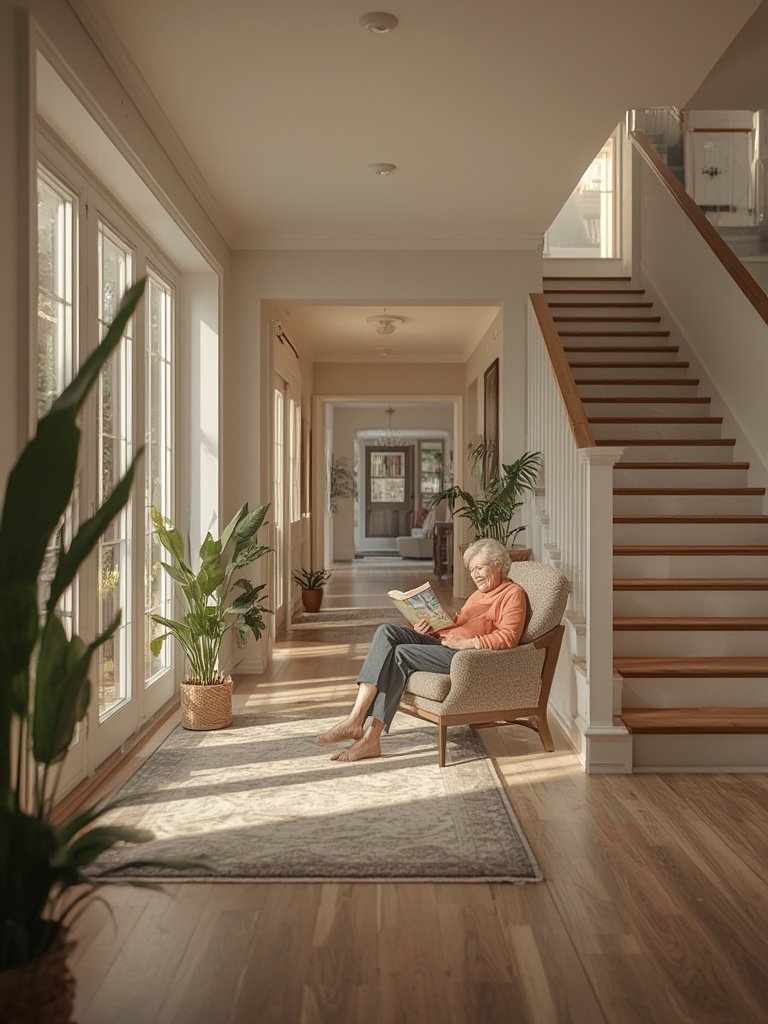
To keep your remodeled spaces clutter-free and safe, consider innovative hidden home storage solutions that work well for mobility devices and adaptive tools.
Conclusion
Aging in place renovation remains one of the most cost-effective, rewarding ways to maintain independence, curb expenses, and future-proof your home. The financial and lifestyle benefits easily outpace assisted living or downsizing, provided you approach upgrades strategically and carefully. With smart planning, qualified pros, and attention to aesthetics, your home can support safe, comfortable living for decades. Explore your options, ask the right questions, and stay proactive—your future self will thank you. Ready to get started with an aging in place renovation? Schedule an assessment with a certified specialist and take your first steps today.
FAQ
How much does an aging in place renovation cost on average?
Most projects range from $3,000 to $15,000 depending on scope, with key upgrades like zero-threshold showers or stair lifts adding to the total. Full bathroom or kitchen remodels can cost more.
What are the best renovations to maximize safety?
Top choices include converting to a no-step entry, installing a walk-in shower, adding grab bars and nonslip surfaces in bathrooms, widening doorways, and improving lighting throughout the home.
Do accessible features impact home resale value?
Yes, features such as wider doors and accessible bathrooms can bring returns of 48%-70% by enhancing marketability to a wider range of buyers. Exterior accessibility improvements yield particularly strong ROI.
How do I find a qualified aging in place contractor?
Look for contractors with CAPS (Certified Aging-in-Place Specialist) credentials, positive local references, and demonstrated experience in universal design. Ask to see finished projects before hiring.
Is smart home automation worth including in my renovation?
Smart devices like voice-activated lighting, security systems, and fall-detection sensors offer additional safety and convenience, but costs and compatibility vary. Start with essential safety upgrades, then add smart features as budget allows.