



Moody paint colors are transforming interiors in 2024, offering depth and sophistication that are both dramatic and inviting. Homeowners and designers alike are drawn to these saturated hues like deep green, midnight blue, and rich charcoal to create cocooning spaces that feel bold yet calming. But is going dark right for every room—or every homeowner?
Key Takeaways
- Moody paint colors are surging in popularity, creating sophisticated, enveloping environments when used thoughtfully.
- Lighting, room proportions, and surface prep are critical to avoid common pitfalls with dark, saturated paints.
- Maintenance, décor choices, and finish selection all impact the final look—plan ahead for lasting results.
- The Core Concept: What Are Moody Paint Colors and Why Are They Trending?
- Step-by-Step Guide: How to Use Moody Paint Colors Successfully
- Advanced Analysis & Common Pitfalls
- Conclusion
- FAQ
The Core Concept: What Are Moody Paint Colors and Why Are They Trending?
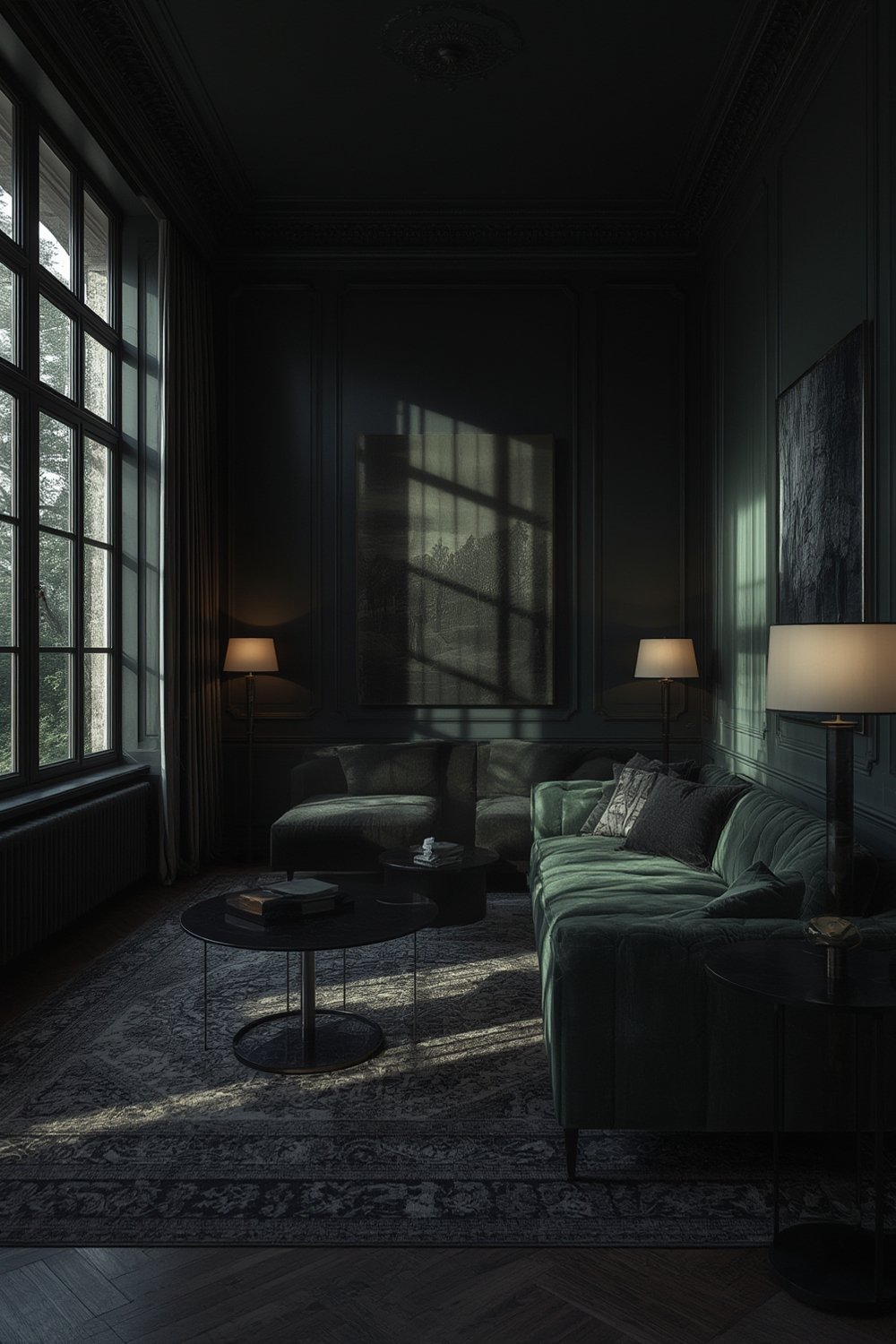
Moody paint colors refer to deep, saturated hues—think lush emerald, sultry navy, dramatic charcoal, and intense plum. These are not just basic dark shades; they are colors that evoke emotion and set a deliberate mood. The appeal? They envelop a space, lending it richness, sophistication, and a sense of retreat.
Over the past two years, trend reports highlight a clear shift: more homeowners want to create “cocooning” interiors, seeking comfort and drama after years of all-white minimalism. Industry sources show that while exact statistic increases aren’t available, deep greens, moody blues, and rich neutrals are nominated as top paint picks for 2024. These colors work especially well in bedrooms, dining rooms, or feature walls, where they become a visual anchor rather than overwhelming a whole home.
Yet, going dark isn’t just about being trendy. These shades can add opulence or calm—depending on the tone—and even make large rooms feel more intimate and inviting.
Step-by-Step Guide: How to Use Moody Paint Colors Successfully
Ready to make the leap? Here’s how to get a sophisticated, balanced result—whether you’re painting a feature wall or an entire space.
-
Assess Your Room’s Natural Light
Check how much sunlight a room gets at different times of day. North-facing rooms usually feel cooler and need warmer moody hues (like olive or terracotta) for balance. Sun-drenched rooms can handle even the deepest shades.
-
Sample Before You Commit
Never rely on a paint chip alone. paint large test swatches on multiple walls, observing how the color shifts in different light. This is vital for moody colors, which often look much deeper once dry.
-
Plan Complementary Elements
Identify trim, ceiling, and accent furniture colors that will support—rather than compete with—your new shade. Warm woods and brass or gold hardware often add balance. For more inspiration on working with wood tones, see this guide on dark wood comeback.
-
Prepare Surfaces Meticulously
Dark paints highlight imperfections. Fill, sand, and prime walls thoroughly. Use a high-quality primer for even color and optimal adhesion.
-
Choose the Right Paint Finish
Matte and eggshell finishes help wall irregularities disappear, while satin or semi-gloss adds a touch of reflectivity for drama or to enhance smaller rooms. Always check the manufacturer’s label recommendations for each finish’s durability. For rooms needing easy cleaning, opt for washable matte or satin.
-
Update Lighting (If Needed)
Add multiple light sources—ambient, accent, and task lighting. Place mirrors or reflective surfaces to bounce light and prevent a cave-like feel. Explore cozy bedroom lighting ideas to complement deeper palettes.
-
Apply Paint with Care
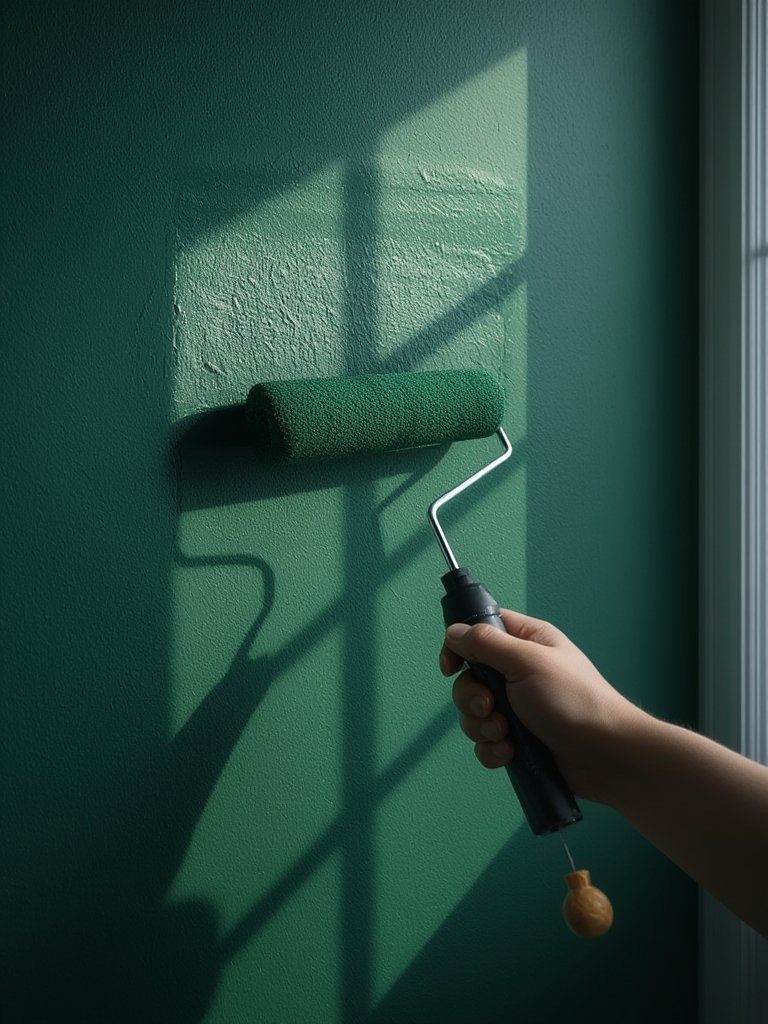
Work in thin, even coats. Let each coat dry fully before recoating. Deep colors often need two or three coats for full saturation and a streak-free finish.
-
Style the Room Thoughtfully
Layer with textured throws, soft rugs, and inviting fabrics to balance the intensity of moody paint. Display artwork or metallic décor for contrast. For clever storage that doesn’t cramp your new look, browse hidden home storage solutions.
Advanced Analysis & Common Pitfalls
While moody paint colors offer major style points, they present real-world challenges. Consider these potential pitfalls—and how to sidestep them for a polished, livable result.
- Lighting Woes: Moody colors can make poorly lit rooms feel smaller and gloomier. Without added lighting or reflective surfaces, the space might feel oppressive.
- Highlighting Imperfections: Dark paints show every wall dent, roller streak, or patchy spot. Invest time in priming and prepping.
- Maintenance and Upkeep: Scratches or scuffs are much more visible. Matte finishes can be harder to clean, while glossier options could highlight wall texture.
- Feeling Overwhelmed: If the color is too saturated for the room’s size or style, it may start to feel heavy or “cave-like,” an issue often noted by designers but not always addressed in online guides.
- Décor Imbalance: The wrong accents—like cold metals or mismatched woods—can fight against moody palettes. Layer texture and choose complementary finishes.
| Problem | Cause | Solution |
|---|---|---|
| Room feels too dark | Low natural light & insufficient lamps | Add warm layered lighting, mirrors, lighter furnishings |
| Visible wall flaws | Skipped prep or uneven priming | Fill, sand, prime meticulously before painting |
| Paint shows scuffs easily | Wrong finish or high-traffic area | Use washable finishes like satin or eggshell |
| Décor clashes | Cold metals or mismatched accents | Choose warm wood, soft textiles, balanced hardware |
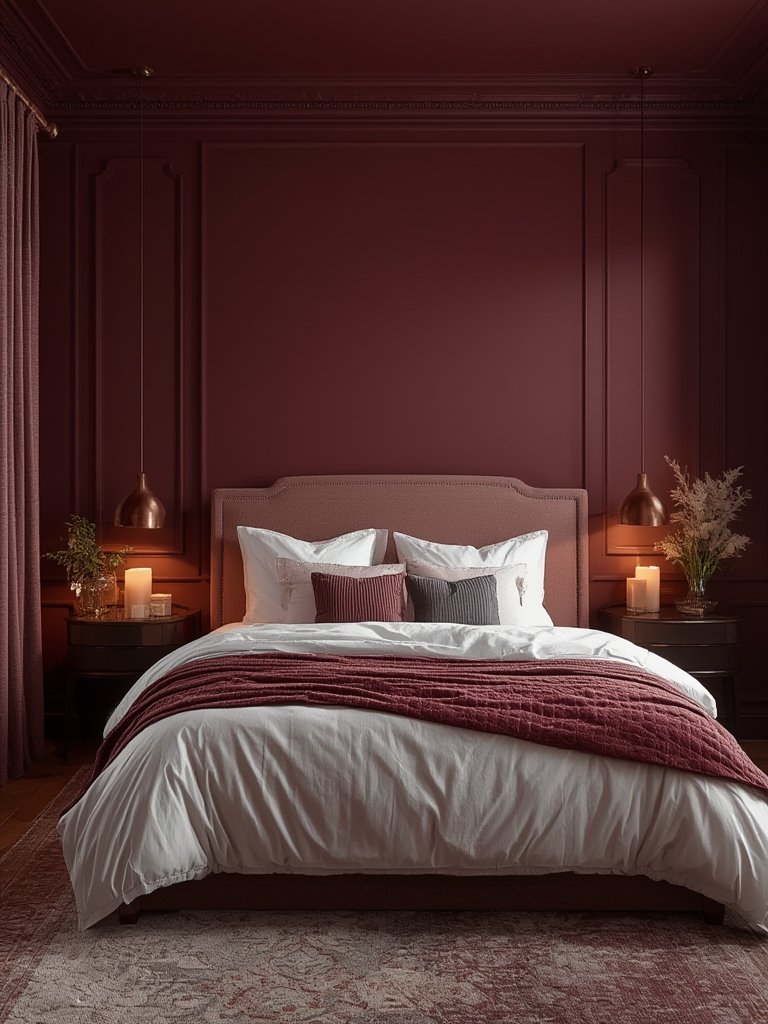
Expert designers note that while these paints foster coziness and luxury, their impact on perceived space depends on the undertone and finish. Warm jewel tones like emerald and sapphire can be surprisingly calming and even make large rooms feel intimate (“cocooned”). But crowding a small, low-light room with high-saturation paint and bulky furniture can have the opposite effect.
To see moody colors working with strategic finishes and natural materials, check this expert perspective and the latest Color of the Year selections.
Conclusion
Moody paint colors offer a bold, tailored path to atmosphere and style if you plan the project carefully. Prioritize light, spend time prepping, and style the space with complementary textures and hardware. Whether you’re transforming a bedroom retreat, making a statement wall, or blending with trending space-saving furniture, the payoff is deeply rewarding. Ready to transform your home? Try moody paint colors and see your space in a dramatic new light.
For more on pairing deep hues with texture and warmth, browse our warm minimalist living room ideas or explore biophilic home design strategies.
FAQ
Will dark moody paint make my room feel smaller?
Moody paint colors can visually “pull in” the walls, but careful lighting and light-colored furnishings can offset this. In fact, they often make large rooms feel cozier. Use mirrors and multi-layered light to keep the space open.
What finish works best for deep saturated colors?
Matte and eggshell finishes minimize wall flaws and offer a modern look. Satin or washable matte is ideal for higher-traffic rooms as it’s easier to clean. Test your finish before committing—it impacts both durability and light reflection.
How do I prep walls for moody paint?
Fill all dents and sand smooth. Prime with a high-quality primer—even dark paints benefit from a uniform underlayer. Skipping prep often leads to visible imperfections once your paint dries.
Which colors pair well with moody paint?
Warm neutrals, natural wood tones, brass or gold hardware, and plenty of soft textures balance moody hues. Avoid cold metallics or overly saturated accent pieces that can compete with your chosen shade.
Can I use moody paint colors in small rooms or apartments?
Yes. Moody paints can work very well, especially if you keep the palette cohesive and avoid clutter. For small space tips, see our space-saving furniture ideas.