



### Blog Post:
Statement ceiling design has become a game changer for homeowners who want every room to feel unique and custom. Forget boring white drywall—your ceiling is the “fifth wall,” and dramatic treatments can instantly elevate a space’s character. Whether you crave bold paint, beams, wallpaper, or intricate architectural details, mastering statement ceiling design is about making smart, intentional choices that transform a room from top to bottom.
Key Takeaways
- Statement ceiling design lets you inject creativity and style into rooms that are overlooked—without a full renovation.
- Homeowners must balance wow factor with practicality, budget, and future resale considerations for lasting satisfaction.
- Preparation, material choice, and awareness of common pitfalls ensure your “fifth wall” stands out for all the right reasons.
- What Is Statement Ceiling Design and Why Try It?
- Step-by-Step Guide to Creating a Statement Ceiling
- Advanced Analysis & Common Pitfalls
- Conclusion
- FAQ
What Is Statement Ceiling Design and Why Try It?
Statement ceiling design flips the script on traditional interiors by making the ceiling the star of the room. Instead of blending into the background, your ceiling becomes an artistic centerpiece—whether through bold color, striking wallpaper, wood beams, coffers, medallions, custom plasterwork, or unexpected lighting.
The trend isn’t just for high-end homes or designers. More homeowners are turning to statement ceilings as a powerful way to add personality, define zones in open plans, or make small rooms feel custom without blowing the budget on major structural renovations. Leveraging your ceiling opens new creative possibilities while maximizing the visual impact of every square foot.
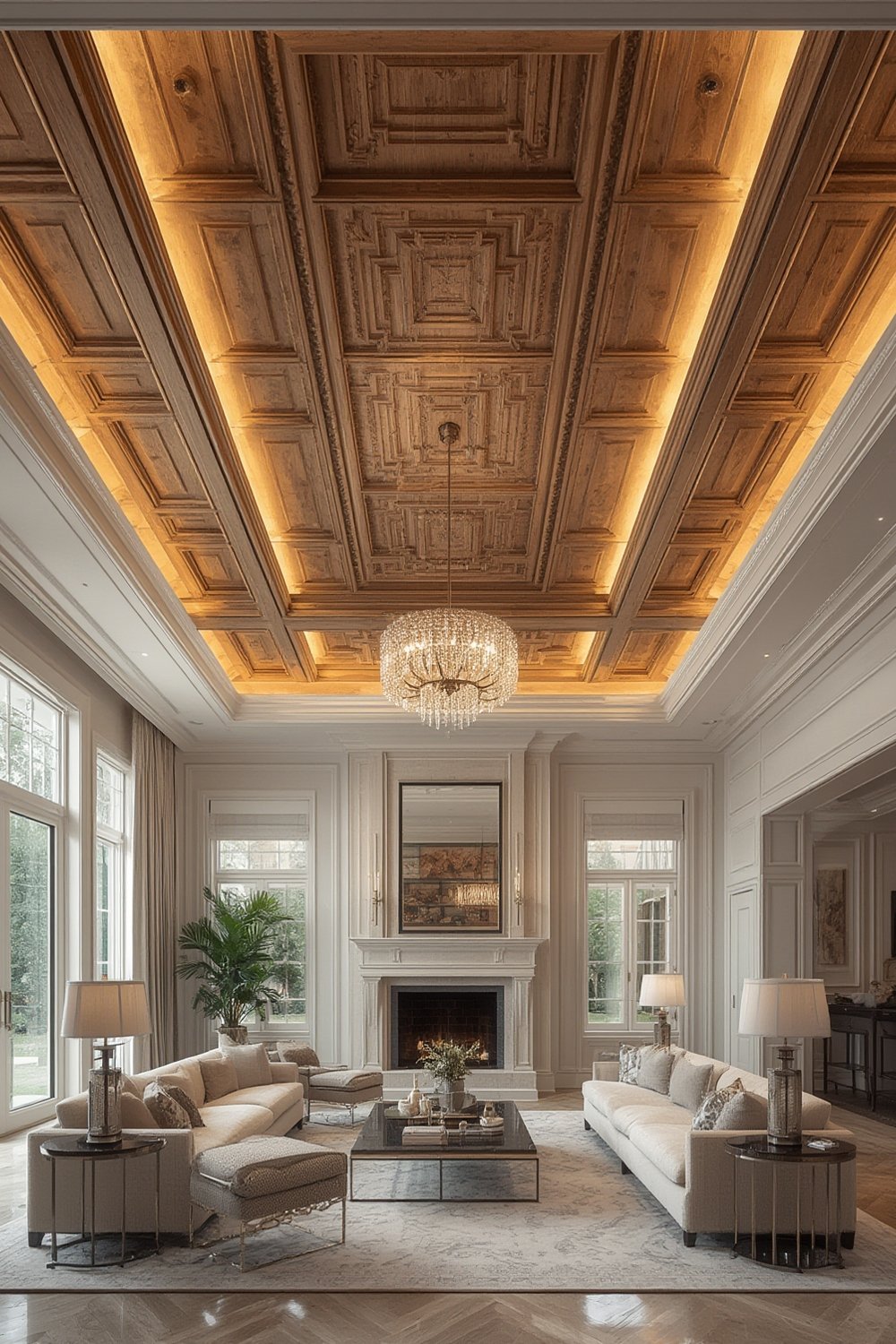
While statement ceilings are rising on social media and home design shows, it’s important to weigh trends with timelessness. Bold doesn’t have to mean garish—texture, pattern, and subtle architectural details can also make your ceiling stand out for years to come.
If you’re inspired by other home upgrades, like cozy bedroom makeovers or integrating dark wood trends, elevating your “fifth wall” could be the missing link in your next project.
Step-by-Step Guide to Creating a Statement Ceiling
Embarking on your own statement ceiling design isn’t as daunting as it may seem. Here’s a clear, actionable plan to create a show-stopping ceiling that suits your taste and space:
- Assess Your Room’s Function and Feel
- Is the ceiling height adequate for bold color or 3D treatments, like beams?
- Do you want drama or subtle luxury? Your existing decor and architectural style matter.
- For inspiration, see how minimalist living rooms or modern farmhouse kitchens use ceiling details.
- Choose Your Statement
- Paint (contrasting or moody), wallpaper, wood cladding, coffers, metallic leaf, beams, tiles, acoustic panels—the sky’s the limit.
- Request samples and tap designers for visualizations if unsure.
- Plan Lighting Carefully
- New ceiling treatments may require moving or upgrading fixtures.
- Layer ambient, accent, and task lighting for best effect—never rely on one harsh overhead bulb.
- Prep and Protect
- Move furniture and cover floors. Ceilings create a lot of mess—tape edges, prime surfaces, and repair any cracks first.
- If old ceilings are cracked, painted with lead-based paint, or have water damage, consult a contractor before proceeding.
- Installation or Finish Work
- Follow manufacturer instructions for products like wood planks or tiles.
- For paint, try a roller on an extension pole and cut in edges with angled brushes.
- Wallpapering a ceiling is a two-person job. Safety ladders and patience are required.
- Get professional help for complex electrical, beam, or heavy decorative installations.

Not sure where to start? Review resources on maximizing tight spaces with space-saving furniture, or bring natural light into your ceiling strategy by studying biophilic design principles.
Advanced Analysis & Common Pitfalls
No project delivers pure upside. Statement ceiling design has potential drawbacks that can cost time, money, or even resale value if you’re not careful. Here’s a realistic breakdown of challenges and how to sidestep them:
| Pitfall | What Can Go Wrong | How to Prevent It |
|---|---|---|
| Ceiling Too Low | Dark or heavy treatments can make a room feel cramped. | Stick to lighter colors and avoid suspended installations in rooms under 8′ tall. |
| Poor Prep | Visible cracks, stains, or uneven surfaces ruin the effect of a statement finish. | Always address ceiling repairs, prime for paint, and level substrate before decorative work. |
| Overly Trendy Choices | Some statement ceilings date quickly and may hurt resale value. | Opt for timeless details or easily updated materials (like paint or removable panels). |
| DIY Mishaps | Ceiling work is tiring and physically demanding—bad seams, drips, or safety risks are common. | Don’t rush. Work in small sections, use good ladders, and get help for larger or specialty projects. |
| Ignoring Lighting Impact | A stunning ceiling can disappear without intentional lighting, or cast awkward shadows. | Include accent and ambient lighting and update fixture positions as needed. |
Unlike commercial ceilings—where demand is driven by acoustic and practical needs [source] and products like suspended tile systems dominate [source]—statement ceilings in homes are almost always an aesthetic choice and require more detailed planning. Residential ceilings are typically drywall, and less adaptable to heavy or grid-based systems [source]. Always evaluate the existing structure before adding significant weight or complex elements.
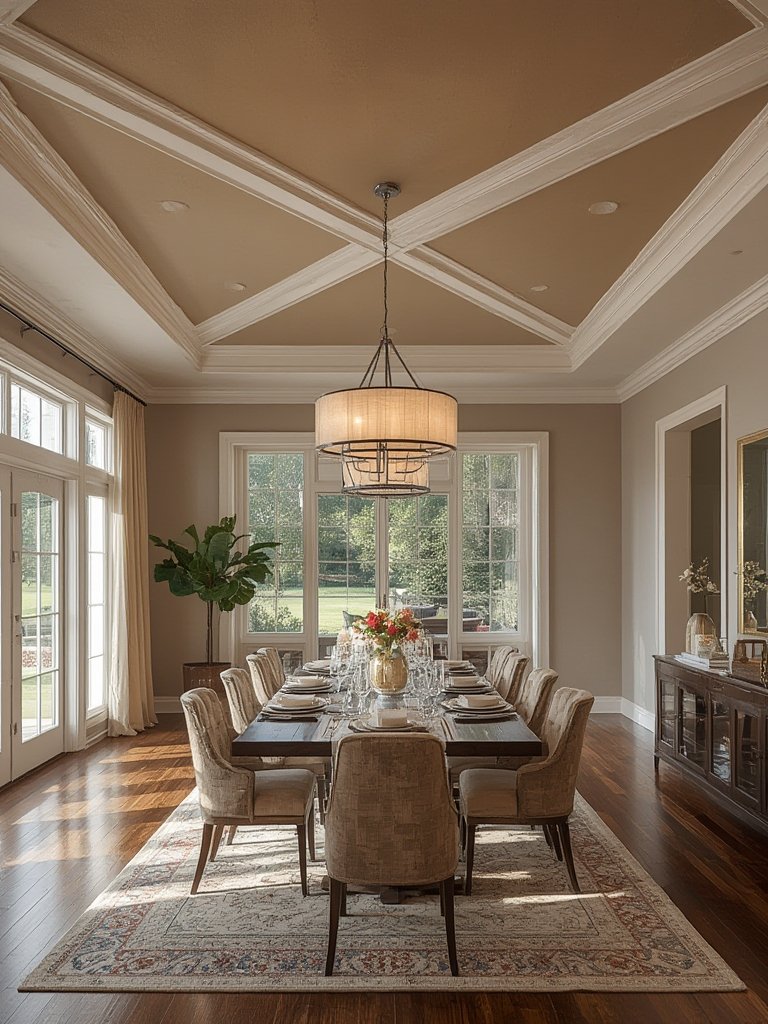
For more insight into blending dramatic colors with home value, review our guide to moody paint colors—many of the same “dos and don’ts” apply when you take color overhead.
Conclusion
Statement ceiling design is a practical way to inject character, depth, and wow factor into any home without major reconstruction. By understanding your room, prepping carefully, sticking to your style, and learning from common mistakes, your “fifth wall” can boost enjoyment (and potentially, value) for years. Ready to try statement ceiling design in your next makeover? Consider how your ceiling choices interact with lighting, color, architecture, and your lifestyle—then make it the highlight of your home.
FAQ
Does a statement ceiling make a room feel smaller?
It can, especially in rooms with low ceilings or when using very dark paint or heavy beams. Lighter colors and reflective finishes keep the space feeling open.
How much does a statement ceiling cost?
Costs vary: painting may be just a few hundred dollars; materials like wood beams or high-end wallpaper could be several thousand. Labor is higher for overhead work, especially for intricate details.
What’s the best room for a statement ceiling?
Dining rooms, entryways, bedrooms, and powder rooms are popular spots. Small rooms make dramatic ceilings feel intentional and not overwhelming.
Are statement ceilings hard to maintain?
Paint and simple finishes are easy to clean. Intricate moldings, beams, or textured surfaces will collect dust and may require more upkeep, especially if your ceiling isn’t easily reached.
Do bold ceiling colors hurt resale value?
Sometimes, especially if styles shift. Choose details or colors that can be changed easily, or go for timeless options like wood or architectural molding.