



Biophilic home design is a transformative approach to interiors that prioritizes connections to nature, leveraging greenery, natural light, and organic materials to support well-being and comfort in any space.
Key Takeaways
- Scientific research confirms biophilic home design can reduce stress levels and improve mood, independent of age or background.
- Anyone can incorporate biophilic elements—even in small apartments—using practical methods like vertical plant walls, natural textures, or simple greenery.
- Energy savings and better indoor air quality are additional benefits, but maintenance and design choices require realistic planning.
- The Core Concept: What Is Biophilic Home Design and Why Choose It?
- Step-by-Step Guide: Implementing Biophilic Home Design
- Advanced Analysis & Common Pitfalls
- Conclusion
- FAQ
The Core Concept: What Is Biophilic Home Design and Why Choose It?
Biophilic home design is about intentionally bringing elements of the natural world indoors, such as plants, daylight, water features, organic materials, and earthy color palettes. This design philosophy moves beyond simple decor—its goal is to nurture well-being, reduce stress, and create calming environments.
Recent scientific studies have shown that homes with biophilic qualities lead to lower skin conductance levels, a recognized physical response to stress. Residents experience improved comfort, faster stress recovery, and better attention restoration, regardless of age or gender. In apartments or homes with views of trees or blue skies, creative thinking and general satisfaction also improve.
Biophilic interiors are more than a wellness trend. They offer tangible relief from urban stress and can make any living space feel like a personal sanctuary as explained in recent analyses.
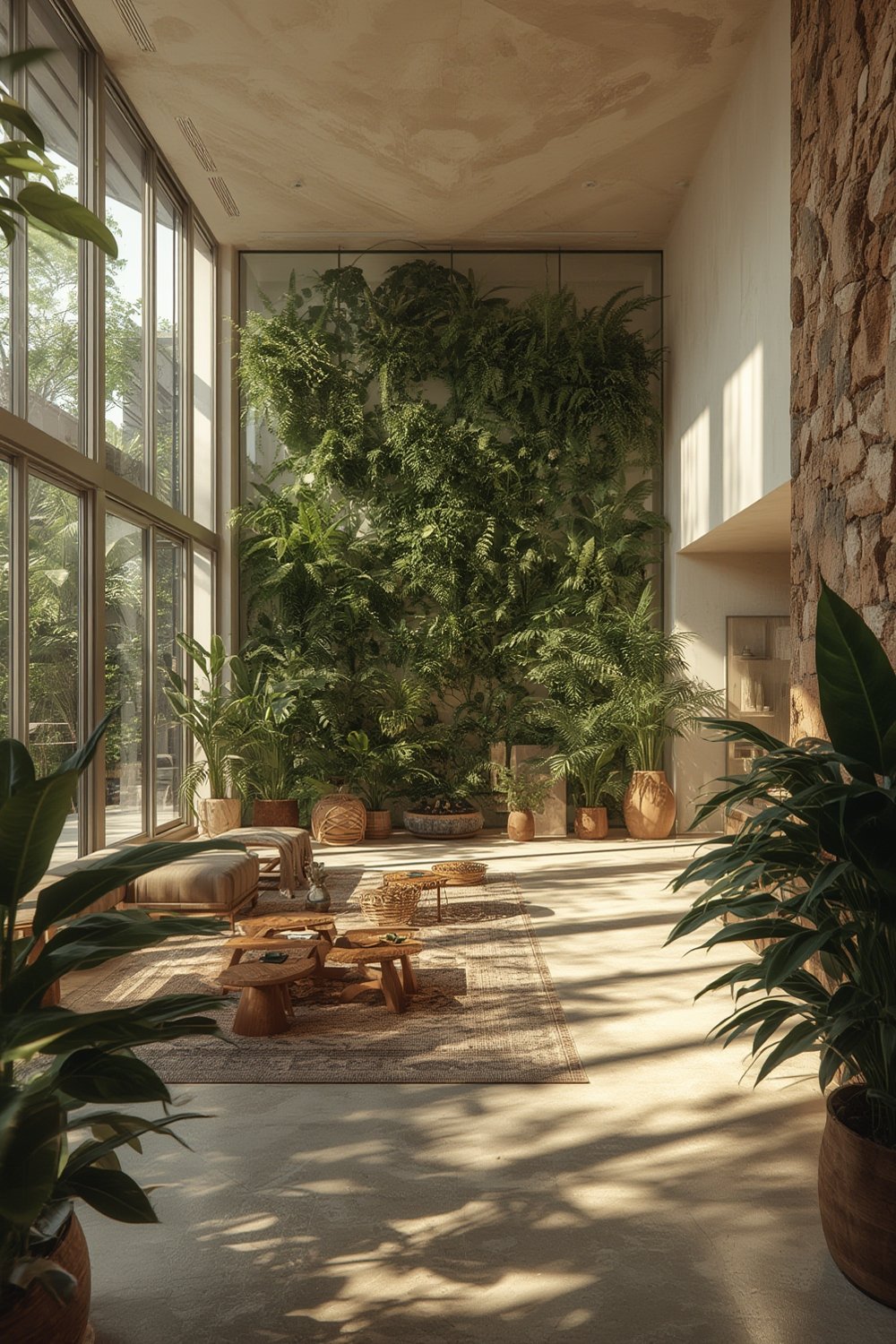
Making these changes often means smarter use of energy—by maximizing natural light, improving airflow, or relying less on artificial materials, you can create a brighter, healthier home that saves money in the long run. For a broader look at outdoor space transformation, view our lawn care tips guide.
Step-by-Step Guide: Implementing Biophilic Home Design
Transforming your home to embrace biophilic design does not have to be expensive or complicated. Whether you live in a downtown apartment or a single-family house, follow these practical steps to get started:
-
Maximize Natural Light
Consider energy-efficient window replacement to increase daylight penetration. Use sheer curtains, lighter wall shades, and rearrange furniture away from windows. This not only brings in more sunlight but also improves indoor air quality and reduces energy costs—see our window replacement guide for more details. -
Bring in Plant Life (Even in Small Spaces)
Start with a few easy-care indoor plants—position them on desks, shelves, or windowsills. Vertical green walls are an innovative choice for small apartments, offering lush greenery without taking up floor space. Modern systems have improved irrigation and soil for easier upkeep according to recent findings. -
Use Organic Materials and Earth Tones
Swap synthetic surfaces for wood, stone, or wool. Incorporate an earth tone palette—think muted greens, soft browns, and warm beige—on walls, cushions, or rugs. This makes rooms more inviting and subtly echoes outdoor environments. -
Design for Fresh Air and Flow
Open windows regularly and use plants known for air purification. If possible, set up an intentional room separation design (intentional room separation guide) to promote better airflow rather than closing off spaces. -
Layer with Natural Textures
Use jute rugs, linen curtains, raw-edge wood, or clay pottery for organic texture. These details absorb sound and boost comfort, building a multi-sensory connection with nature.
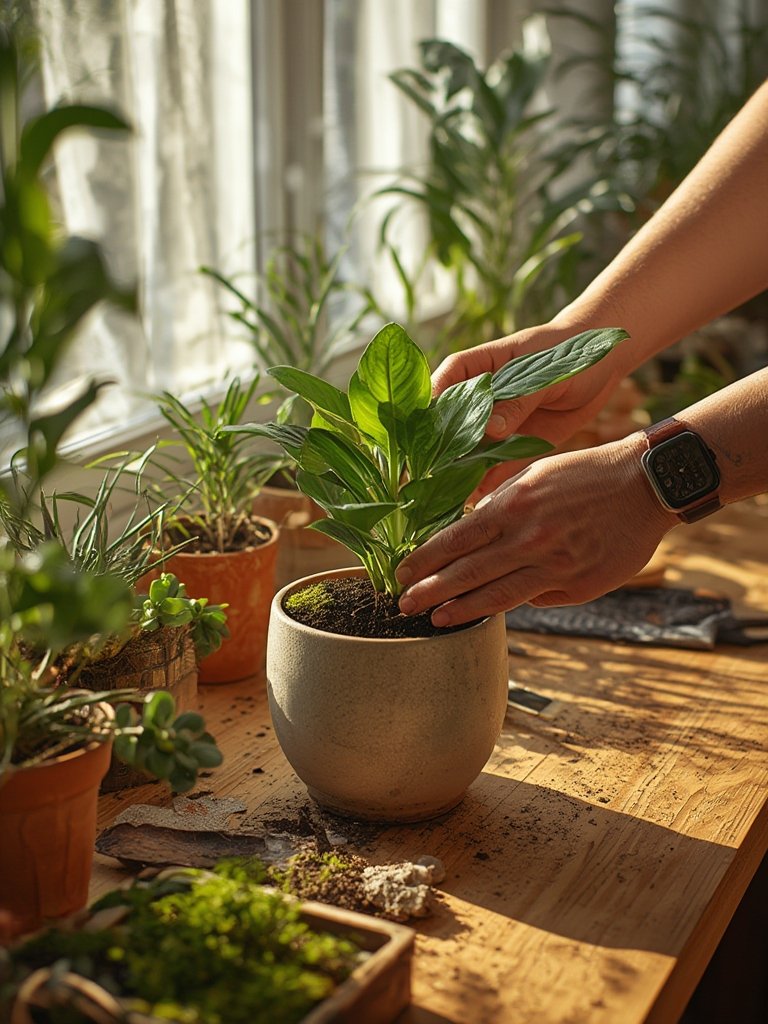
For tiny apartments, container gardens and microgreens can provide daily greenery with almost no floor space. Rotate plant positions, and try a living wall for an eye-catching, functional display. Need tips on maximizing space? Explore our space-saving furniture guide.
Advanced Analysis & Common Pitfalls
Real-life attempts to implement biophilic home design bring unique challenges. Scientific literature and user feedback show that while benefits are real, not every space or lifestyle supports a perfect result. Before you invest, consider these points:
| Element | Potential Pitfall | Practical Solution |
|---|---|---|
| Plants & Green Walls | Maintenance overload, overwatering, pest problems, or high initial setup cost | Use low-maintenance species, automated irrigation, and modular green wall panels; try faux options for hard-to-reach spots. |
| Natural Light | Insufficient daylight in lower units or urban settings; heat gain | Install mirrors, choose reflective finishes, and combine with LED natural-spectrum lighting. Consider energy-efficient windows. |
| Organic Materials | Budget constraints or humidity damage (wood, wool, stone) | Mix genuine accents with durable lookalikes. Use protective finishes or select moisture-resistant alternatives for bathrooms; see spa bathroom renovation tips. |
| Earth Tone Palette | Drab appearance or lack of cohesiveness | Add pops of green or terracotta, use layered textures, and mix matte and gloss finishes for balance and depth. |
| Air Quality and Energy Savings | Minimal impact if not combined with efficient layouts and appropriately sized windows | Pair biophilic design with good insulation and regular plant care. Open windows when possible to promote airflow. |
Although biophilic approaches lower physiological stress (see research), studies show that blood pressure improvements may not be significant. Also, top-performing articles often overlook selecting niche plant species, creative earth tone palette combinations, and innovative organic materials. Exploring these options can set your interior apart with unique personality and comfort.
For nature-inspired color and material inspiration, the warm minimalist living room guide provides a range of palettes and textures.
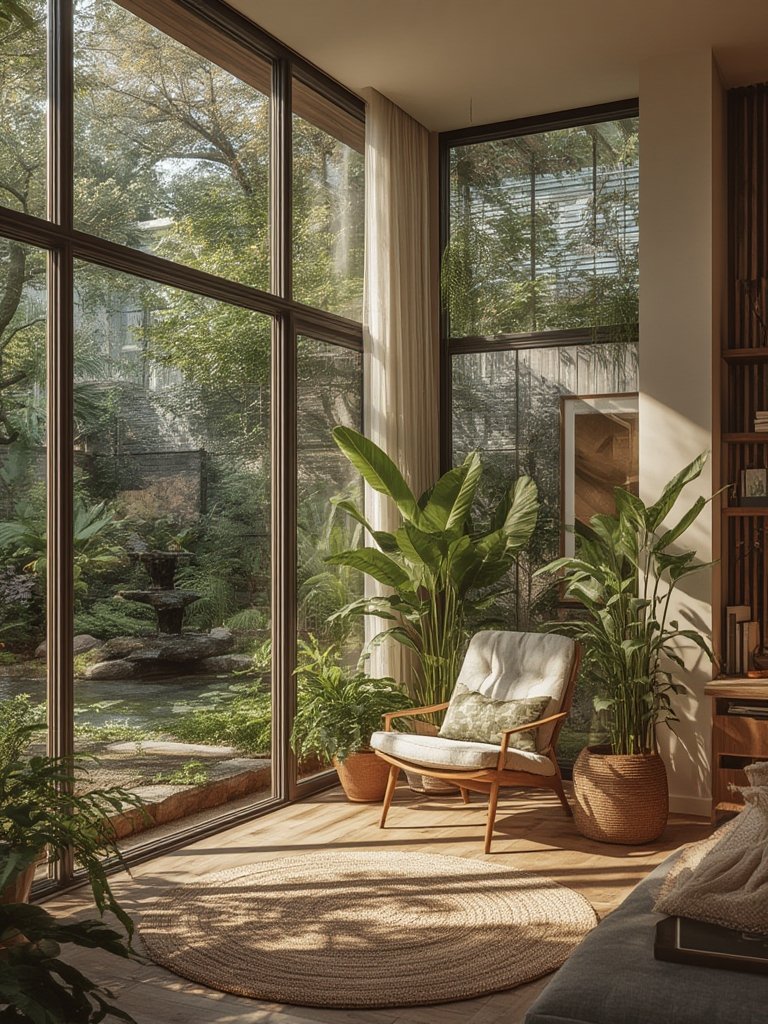
Conclusion
Scientific evidence and practical experience both highlight biophilic home design as a powerful tool for improving stress resilience, comfort, and daily inspiration. By maximizing natural elements, smart use of materials, and thoughtful layout changes, you can transform your living space no matter your budget or apartment size.
Ready to make small, sustainable upgrades? Start with one room, introduce greenery and organic materials, and adjust as you go. The benefits are incremental but real—a more relaxing, healthier home is within reach through biophilic home design.
For more home transformation ideas, check out our guides on cozy bedroom makeovers and natural wood accents.
FAQ
What is the simplest way to start with biophilic home design in a small apartment?
Focus on maximizing natural light, add one or two easy-care indoor plants, and swap plastic decor for natural fibers or earth-toned textiles. Vertical wall planters or small window gardens work well if space is tight.
How much does it cost to add a living wall or green feature to your home?
Costs vary greatly by size and system quality, but small DIY vertical gardens can start under $100, while advanced modular green walls with irrigation run much higher. There is no single 2024 cost, but consider potential long-term savings on energy and comfort.
Do plants and organic materials really help indoor air quality?
Yes, research shows that indoor plants improve air quality and overall thermal comfort. Natural materials also support energy efficiency by regulating temperature and airflow.
Can I achieve biophilic home design without extensive renovations?
Absolutely. Many elements—like lighting changes, added plants, or swapping out synthetic for natural materials—can be incorporated with minimal disruption or expense. Most apartments and small homes can benefit from small steps.
Are there any drawbacks or downsides to biophilic interiors?
Mainly maintenance, upfront costs for real materials, and potential pest or moisture issues with extensive greenery. Careful planning and starting small can minimize these risks.