



Curved furniture trend is reshaping today’s interiors by prioritizing soft, organic lines over traditional straight edges. If you’re considering wavy sofas, rounded tables, or sculpted accent pieces, this guide explores what’s behind the movement, how to add curves to your space, and critical pitfalls designers rarely discuss.
Key Takeaways
- Curved furniture trend delivers a softer, more welcoming aesthetic, but careful planning is vital for functionality in real homes.
- Market data confirms ongoing growth of the broader furniture sector, with curved designs seen as a major, long-lasting trend.
- Few resources discuss practical disadvantages, challenges with fit or cleaning, or detailed cost comparisons for curved vs. straight furniture.
- What Is the Curved Furniture Trend and Why Is It Matter?
- How to Bring the Curved Furniture Trend Into Your Home: A Practical Guide
- Common Pitfalls, Cost Comparisons, and Practical Analysis
- Conclusion
- Frequently Asked Questions
What Is the Curved Furniture Trend and Why Is It Matter?
The curved furniture trend celebrates forms inspired by nature, with furniture and architectural details designed to look and feel more organic. Rounded sofas, arching chairs, and wavy tables disrupt the rigid, straight lines that dominated minimalism. This approach is tied to wellness-oriented design, aiming to foster comfort, flow, and a sense of ease.
Globally, the furniture market is experiencing robust growth, expected to reach over 1 trillion USD by 2034. Curved pieces are seen as a “macro trend,” extending beyond furniture to elements like arched windows and kitchen islands. While detailed numbers for curves aren’t published, experts agree wavy lines have major staying power.
Recent surges in style interest can be traced back to icons like the 1970s Togo sofa and Pacha lounge chair, which prioritize comfort and a visually inviting profile.
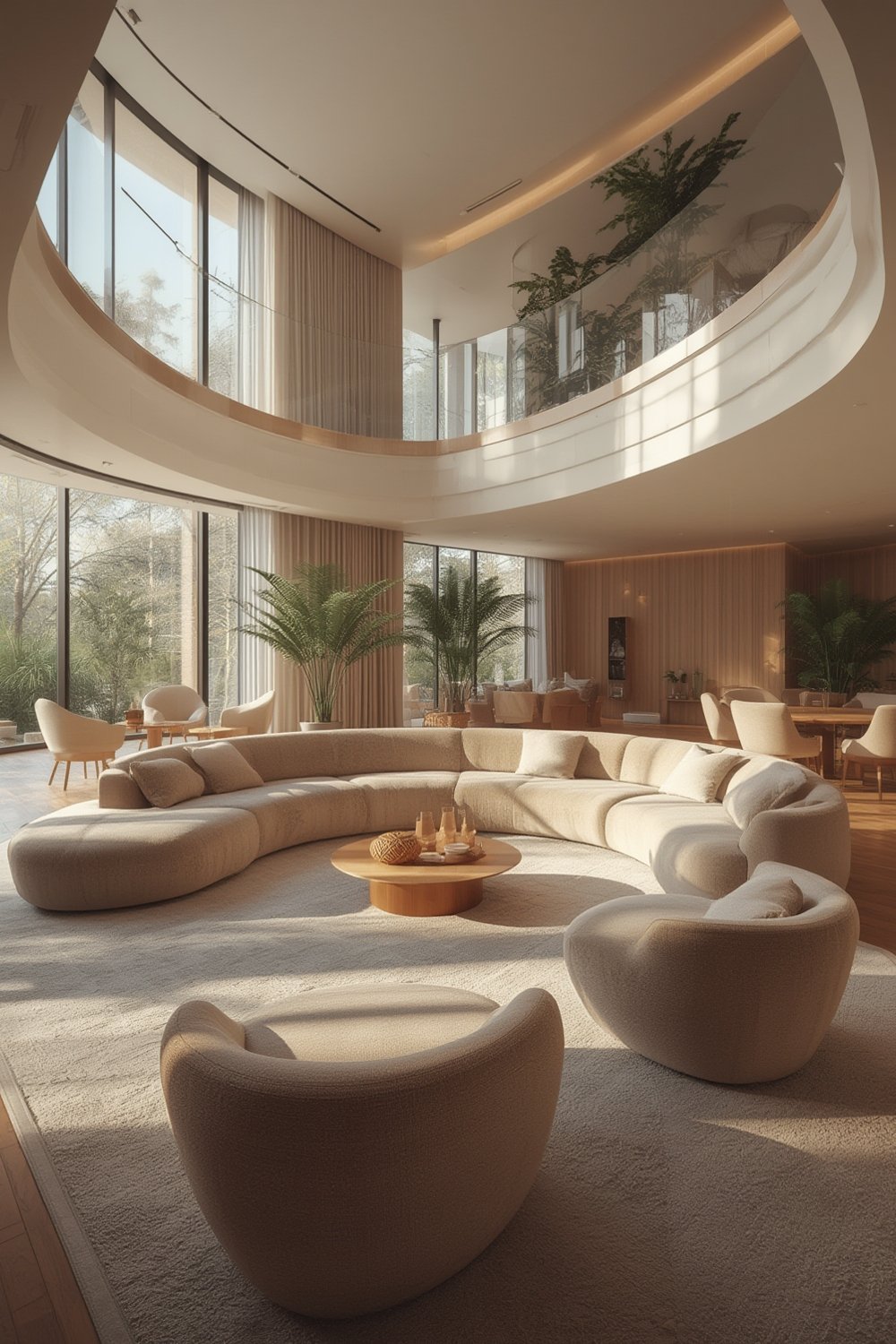
The appeal isn’t just visual. Some studies cite that humans feel naturally calmer in rooms using circular shapes. Beyond wellness, curves can add movement to open plans and make large or boxy rooms feel dynamic and personal. To dig deeper into this macro trend and why brains are wired to love circles, see this expert source.
How to Bring the Curved Furniture Trend Into Your Home: A Practical Guide
Ready to play with the curved furniture trend? Here’s a checklist to help you introduce organic shapes in ways that genuinely improve your living space, not just your Instagram feed:
- Assess Your Architecture and Existing Style. Curves complement many décor styles—midcentury, contemporary, or even traditional with a twist. Examine your space for natural anchor points such as bay windows, round rugs, or arched doorways to guide placement of curved items.
- Start Small for Big Impact. If you hesitate to buy a large curved sofa, begin with smaller accents—think a rounded coffee table, a scalloped mirror, or an oval-backed chair. These pieces can soften straight lines without overwhelming your layout.
- Prioritize Comfort and Practical Pathways. Place curved pieces where flow is most important, such as living room traffic zones or beside beds. Rounded edges help prevent bumps and bruises, especially in tight areas.
- Mix Materials Wisely. For best results, pair curves with warm wood finishes, boucle or velvet fabrics, and touches of glass or metal. Organic textures highlight the softness of shapes and add tactile appeal. If you love natural design, consider integrating biophilic elements that work beautifully with curved lines.
- Mind the Scale—Don’t Cram, Let Forms Breathe. Curved furniture needs space around it. In small apartments, a curved sectional could swallow usable square footage. If space is tight, try space-saving ideas from this space-saving furniture guide.
- Layer Lighting and Color. Use soft, diffused lighting to highlight curves, making sure shadows don’t make pieces appear clunky or heavy. Paint or wallpaper in earth tones and subtle patterns can further accentuate wavy silhouettes.
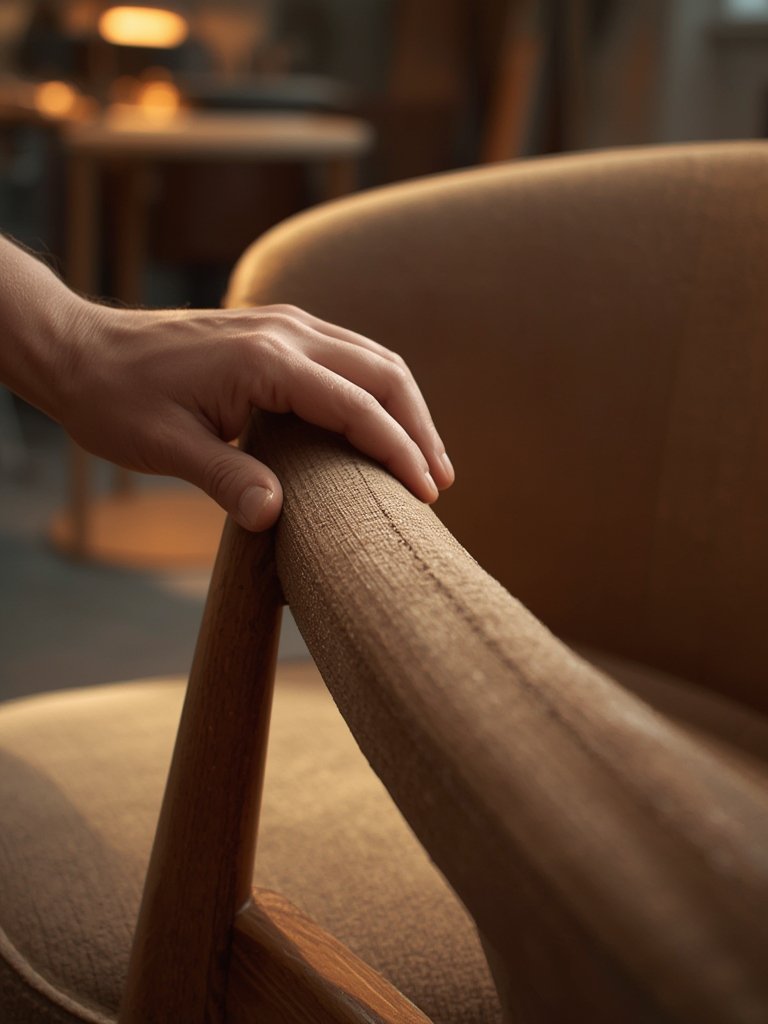
When shopping, don’t overlook material choices. While the industry is seeing a surge in eco-friendly and recycled materials (wood continues to dominate globally with over $460 billion in revenue in 2024), be aware that curved shapes may require sturdier frames or denser upholstery to keep their shape over time. water-repellent or easy-clean fabrics reduce maintenance headaches—a must if you have kids or pets.
To maximize longevity, investigate how the piece is made. Are curved joints reinforced? Does the brand offer a warranty for atypical shapes? Ask the tough questions—especially since curved furniture pieces often can’t be reupholstered as easily as rectangular ones.
Balance is essential. Mix curved and straight-edged pieces for a room that feels both cutting-edge and timeless. If you’re updating your floorplan, check out these hidden storage ideas that pair perfectly with both curved and linear elements.
Common Pitfalls, Cost Comparisons, and Practical Analysis
While swooping sofas or wavy tables look stunning in showrooms, the real-world experience can be more complicated. Here’s what most articles don’t tell you:
- Lack of Cost Transparency: Despite high demand, there’s little price reporting for curved pieces. Anecdotally, curved furniture typically costs more than its straight-edge equivalents, due to complex materials and artisan-level manufacturing. Budget accordingly and always price-compare with standard shapes.
- Space and Fit Challenges: Rounded pieces require extra clearance, especially in tight apartments. They’re rarely modular, so you lose flexibility compared to straighter or modular alternatives, like those discussed in this small apartment furniture guide.
- Maintenance and Durability Variables: Intricately shaped upholstery can be tough to clean and repair. Curved frames in low-cost options may warp or crack—research how each piece is constructed and select performance fabrics if durability is a priority. For ideas on robust, easy-care materials that fit any vibe, see our dark wood finishes guide.
- Lost Storage and Wall Placement: Unlike straight sofas or bookcases, you cannot push curved furniture fully against walls. That means lost usable space and possible “dead zones” behind pieces—a serious concern for small rooms.
- Limited Resale and Replacement Options: Trends shift. Custom curved pieces, especially in bold colors, may not appeal to future buyers, and replacement cushions or slipcovers are rarely available off-the-shelf.
| Feature | Curved Furniture | Straight Furniture |
|---|---|---|
| Average Cost | Usually higher (artisan build, premium materials) | Wider range; more affordable options |
| Space Needs | Wider clearance; can waste corner space | Fits flush against walls; maximizes footprint |
| Maintenance | Tricky for cleaning, repairs, and reupholstery | Usually easier to maintain, repair, or slipcover |
| Functionality in Small Rooms | May crowd walkways and limit storage | Often more efficient, modular |
| Flexibility/Resale Value | Niche appeal; less flexible on resale | Universally accepted, easier to resell |
If easy flow and soft lines matter most, curved furniture will still be worth the effort. For the most practical homes, balance curves with hidden storage (see our storage solutions guide) or mix them with simple, functional pieces.
Looking at the future? Mixed shapes continue to trend, but always consider the resale value and flexibility for evolving needs. For homes that use rooms for multiple activities or want to separate open layouts, explore intentional room separation ideas that can integrate curved partitions or modular curved screens.
Conclusion
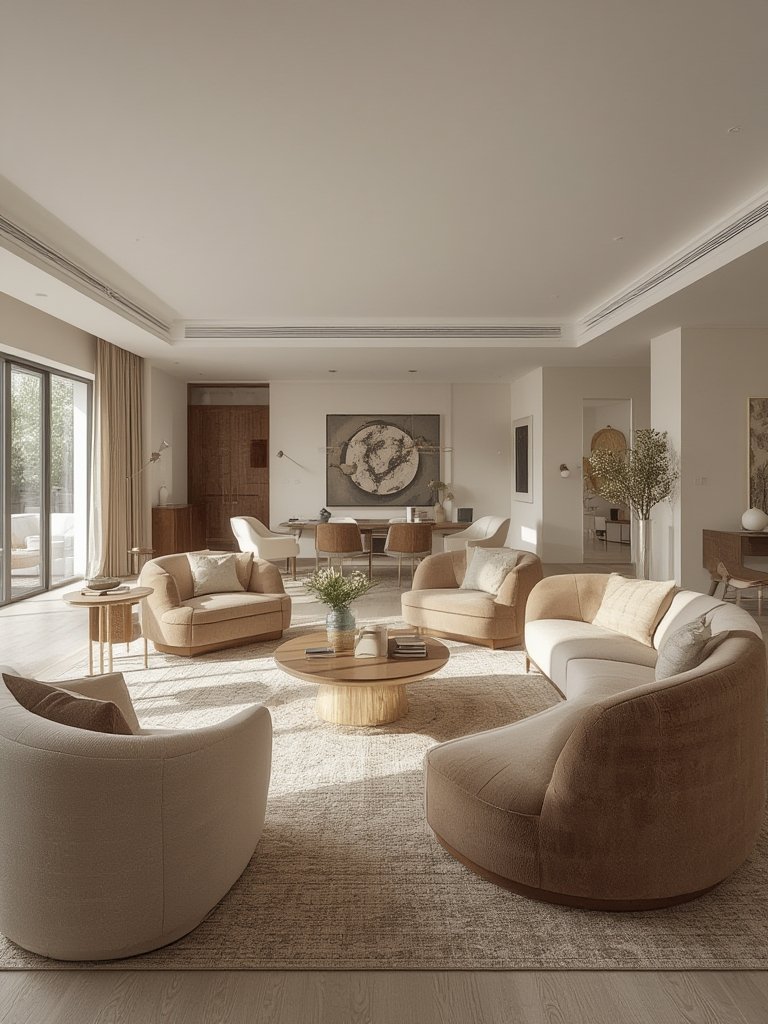
The curved furniture trend offers comfort, personality, and a break from boxy interiors, but adopting it requires honest assessment of space, costs, and real-life needs. From elevated mood to new maintenance demands, organic shapes can transform rooms—if you plan ahead. For more practical guides to modern home design, check out our curated resources. Ready to try the curved furniture trend? Start small, experiment, and share your results with us for more tips tailored to your style and layout.
Frequently Asked Questions
Is curved furniture a fad or a lasting trend?
Curved furniture is widely described as a macro trend with longevity. Its use in both furniture and architectural elements shows it is more than a fleeting fashion. Experts predict curves will remain popular well beyond 2024.
Do curved sofas and chairs work in small rooms?
Curved pieces can crowd small or awkward spaces if not sized correctly. Look for compact, armless designs or consider pairing one rounded item with straight-edge furniture to avoid wasted space.
Why are curved sofas usually more expensive?
They are often costlier due to complex manufacturing, extra upholstery work, and higher material needs. Standard modular or straight sofas are more widely available at lower prices.
What materials make curved furniture last longer?
Quality curved furniture uses kiln-dried hardwood frames, dense foam, and durable fabrics (like high-performance boucle or velvet). Always research frame reinforcements and customer reviews before purchasing.
How do I mix curved and straight-edged furniture in one room?
Start with a focal point—one curved sofa or table—and complement it with angular chairs or shelving. Use rugs, lighting, or color accents to visually tie mixed shapes together for cohesive balance.