



Elevated closet systems have rapidly become the new standard for anyone wanting to optimize storage and add a touch of luxury to daily living. Whether you’re tired of basic wire shelves or want to create a boutique-style wardrobe at home, understanding what truly makes a closet system “elevated” is essential for making smart design and investment decisions.
Key Takeaways
- Smart tech features, premium materials, and customization are driving rapid growth in the elevated closet systems market globally and in the US.
- Most DIY and built-in closet upgrades fall short when it comes to layouts, lighting, and truly maximizing space without professional input.
- Careful planning and investing in the right hardware, materials, and accessories are crucial for an effective, hotel-style transformation.
- What Are Elevated Closet Systems and Why Are They So Popular?
- How to Transform Your Closet: Step-by-Step Guide
- Advanced Analysis & Common Pitfalls of Elevated Closet Systems
- Conclusion
- FAQ
What Are Elevated Closet Systems and Why Are They So Popular?
Elevated closet systems are high-end, custom-designed storage solutions that go well beyond basic shelves or rods. They blend premium materials, innovative hardware, and advanced features like integrated lighting or app-controlled elements to maximize organization and style in your closet. These systems often include modular pieces—drawers, shoe racks, hidden hampers, accessory trays, pull-out mirrors, and more—all tailored around your space and daily routines.
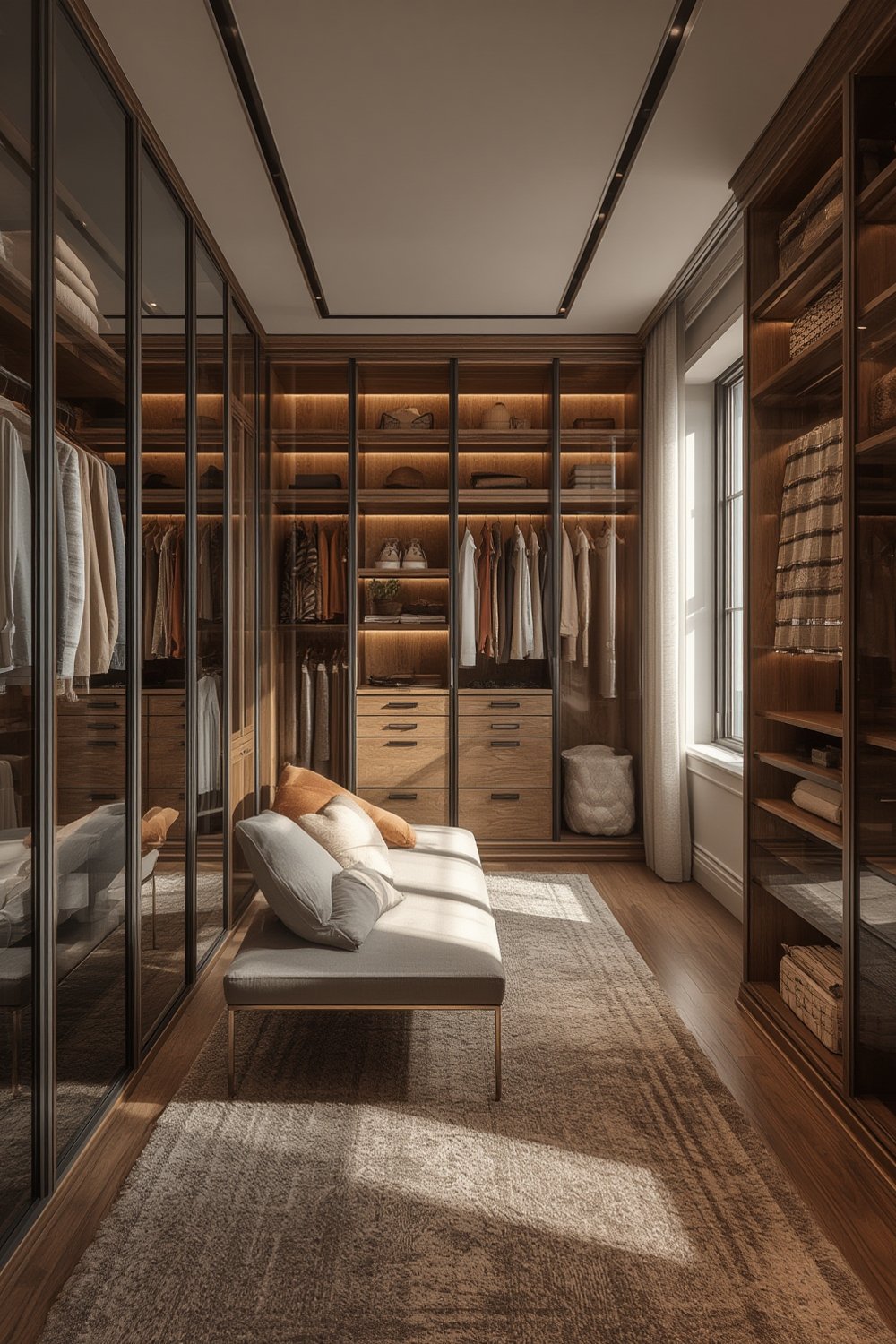
Since 2020, demand for personalized and “hotel-like” closet spaces has exploded, especially in urban areas and among homeowners seeking luxury touches. According to recent market studies, the global custom closets market reached $31 billion in 2024, with North America (especially the US) making up nearly 40% of the demand, thanks to high disposable incomes and tight urban spaces.
The rise in smart homes has also fueled upgrades: integrated LED lighting, motion sensors, or app-controlled features are becoming standard among premium brands such as California Closets or Container Store (see more here).
While the appeal of walk-in closets and designer organization is clear, it’s crucial to plan carefully—upgrades can quickly get expensive and are not always as easy to retrofit as some marketing promises. Many homeowners underestimate the importance of layout, workflow, and robust hardware—leading to regret and expensive rework.
Related: If space optimization is a goal throughout your home, check out our guide to space-saving furniture ideas for small apartments.
How to Transform Your Closet: Step-by-Step Guide
Transforming a standard closet into an elevated system requires more than just new shelves. Here’s a straightforward process for a hotel-quality result:
-
Assess Your Needs and Take Measurements:
Analyze daily routines, the ratio of hanging to folded items, shoes, accessories, and even future wardrobe growth. Measure every wall, ceiling height, and depth—uneven corners and ceiling slopes can impact every inch. -
Prioritize Functional Upgrades:
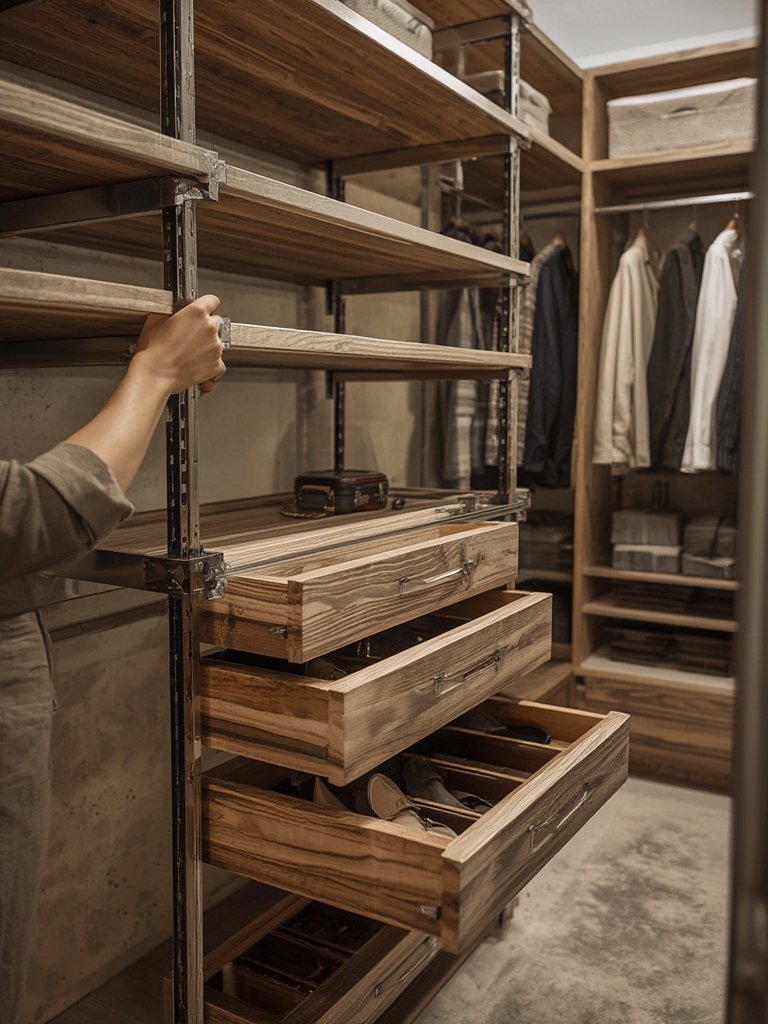
Whether you’re designing around narrow reach-in closets or large walk-ins, start with essentials: double-hang sections, pull-out shoe racks, valet rods, dedicated jewelry drawers, and slide-out laundry bins. -
Select Premium Materials and Hardware:
Luxury closet brands use wood veneers (oak, walnut), recycled metals for frames, soft-close Italian or German hinges, and matte or satin hardware finishes. Cheap particleboard or wire racks tend to sag, chip, or break over time. -
Add Lighting and Smart Features:
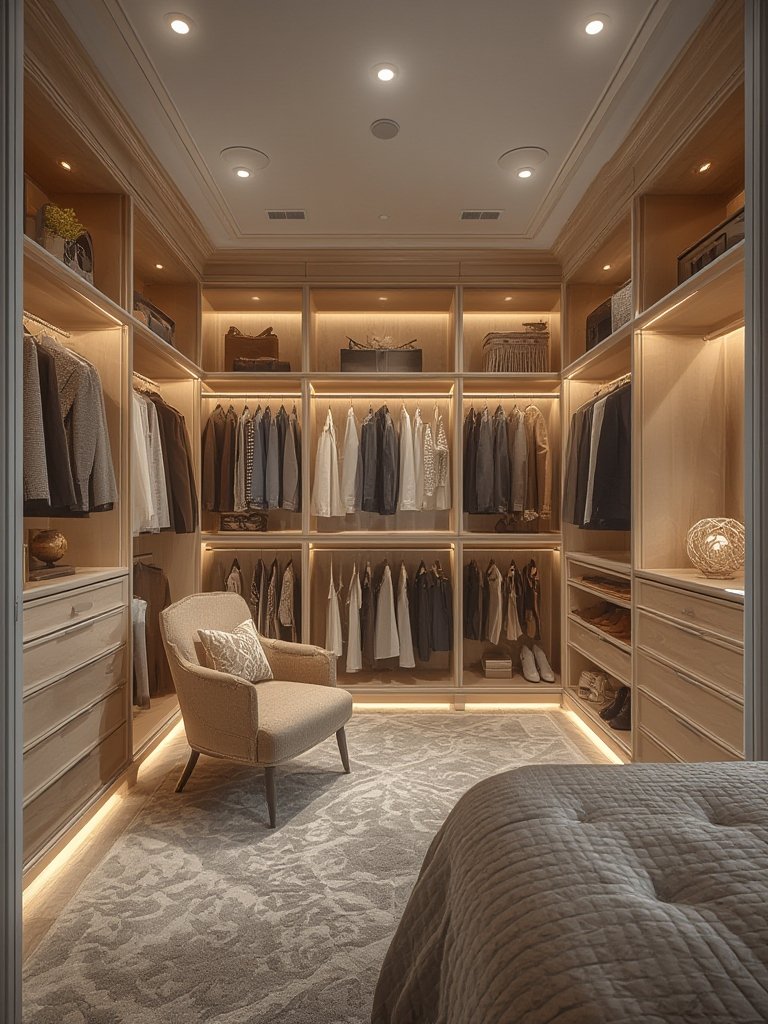
Integrated LED strips, motion-sensor lights, or app-controlled ambient glow make a massive difference both in appearance and functionality. Some brands now offer smart home integration with automatic shelves or concealed charging ports. -
Test Layouts with Visualization Tools:
Use AR apps or online design software to try arrangements before finalizing. Several brands, like Container Store, offer free virtual consultations using these tools. -
Professional Installation or Skilled DIY:
If possible, use an expert installer. Professional fitting ensures sturdy anchoring into studs, precise shelf leveling, and seamless hardware operation, which most DIY jobs can’t match. -
Accessorize and Adapt Over Time:
Modular add-ons—such as purse hooks, accessory trays, or bins—can evolve with your needs. Quality elevated closet systems are built to be reconfigured without tools.
Want more organization inspiration? Explore our favorite cozy bedroom ideas for restful sleep spaces or discover beginner-friendly vegetable garden ideas that bring order (and fresh produce) to your outdoor space.
Advanced Analysis & Common Pitfalls of Elevated Closet Systems
With costs for premium closet systems ranging from several thousand to tens of thousands of dollars (no public data on averages was found), investing in an elevated closet can be risky without realistic expectations. Below are common pitfalls, plus an at-a-glance analysis of how smart features and expensive materials impact function.
| Feature | Potential Value | Common Issues |
|---|---|---|
| App-controlled lighting & motion sensors |
Transforms access & visibility, adds luxury feel | May fail without Wi-Fi or power—battery replacements can be frequent |
| Premium hardware (Italian/German hinges, soft-close drawers) |
Longevity, smooth operation, upscale touch | Repairs or replacement parts can be costly; not always DIY-friendly |
| Custom wood veneers & recycled metal frames | Durable, high-quality finish, eco-friendly | Prone to scratches or water damage if not maintained; color-matching can be tricky if expanding |
| Modular shelves & add-ons | Adaptable over time, fit any space | Over-customization may not improve resale value; parts may become discontinued |
| Professional vs. DIY install | Expert fit and finish, warranty | High labor cost; mistakes in measurements can ruin aesthetics |
Another common complaint: expecting a built-in closet investment to boost home resale value. As of 2024, there’s no clear data proving a direct ROI—buyers may appreciate the upgrade, but it rarely recoups every dollar. Focus instead on functionality for your needs and quality of daily life.
For synergy between closet upgrades and the rest of your home, consider pairing your new systems with modern farmhouse kitchen ideas or minimalist living room strategies for a cohesive, organized style throughout.
Conclusion
Upgrading to elevated closet systems is about more than adding storage—it’s a chance to infuse daily routines with luxury, light, personalization, and order. Still, it’s important to balance tech, materials, and professional advice with your budget and actual needs.
For most homeowners, the sweet spot is functionality first, with a focus on robust hardware, adaptable designs, and smart but simple lighting upgrades. If you want to transform your home’s organization, start planning your elevated closet systems project today, and reach out to trusted professionals for a design consultation.
FAQ
What is considered an “elevated closet system”?
An elevated closet system blends premium materials, modular designs, integrated lighting, and personalized layouts—offering much more than basic shelves or rods. Think hotel-suite or boutique-store quality at home.
How much do elevated closet systems cost?
Pricing varies dramatically based on size, features, and materials. Expect to pay between a few thousand and over $20,000 for high-end, professionally installed systems. DIY modular sets are cheaper but often lack custom fit and premium finishes.
Can I add smart features to an existing closet?
Yes. Motion-sensor strip lights, rechargeable LED fixtures, and portable charging stations can be retrofitted with minimal tools. For more robust integration (app-controlled lighting, smart shelves), professional installation or extensive rewiring may be required. Explore more on smart home integration.
Do luxury closets really increase home value?
There is no reliable data as of 2024 showing a direct boost in home resale value from premium closet installations. While a well-designed closet can attract buyers or enhance marketability, don’t expect to recoup the full investment through resale.
What’s the biggest mistake people make with custom closet upgrades?
The most common errors are poor measurements, not leaving expansion room, over-investing in fad features, and attempting complex installations without professional help. Take your time with design and consider long-term usability over trends.