



Energy efficient window replacement is one of the most reliable ways to cut home energy bills, boost comfort, and increase your property’s long-term value—all with improvements you can measure from the first heating or cooling cycle. If you’re weighing the real-world numbers, curious about payback period, or want transparency about what might go wrong, this deep-dive lays it all out before your next window upgrade.
Key Takeaways
- Replacing single-pane windows with energy efficient options can reduce your annual energy bill by up to 13%, or $101-$583/year as of 2024.
- Triple-pane windows deliver up to 30% bigger energy savings than older double-pane models—but take much longer to pay off than double-pane upgrades.
- Typical payback for energy efficient window replacement ranges from 18-23 years, assuming moderate energy price growth and average material costs.
- What Is Energy Efficient Window Replacement?
- How to Replace Your Windows for Maximum Efficiency (Step-by-Step Guide)
- Advanced Analysis & Common Pitfalls
- Conclusion
- FAQ
What Is Energy Efficient Window Replacement?
Energy efficient window replacement means swapping out outdated single or double-pane windows for modern energy-saving options that use insulated glass, low-e coatings, and improved framing materials. This upgrade sharply reduces the heat lost in winter or gained in summer, cutting your HVAC load and stabilizing indoor temperatures.
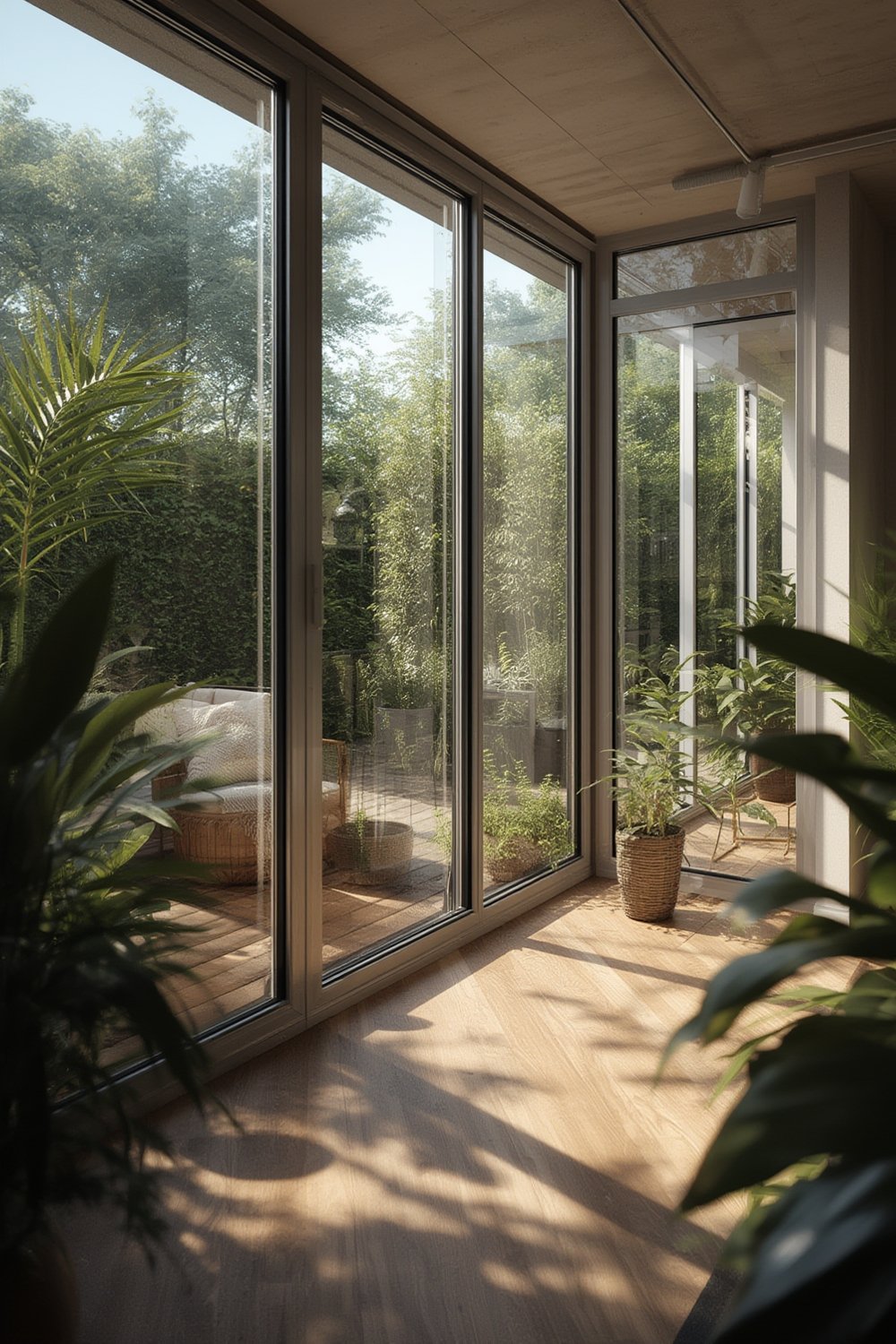
Modern energy saving windows come with ENERGY STAR certification labels, which verify tested performance. According to recent data, an average home that switches from single-pane to ENERGY STAR windows in 2024 will save 12-13% on its annual heating and cooling bill. Upgrades are especially impactful in cold zones. In northern states, single-pane replacement may save $493-$568/year (source).
Beyond lowering bills, new windows also dampen drafts, boost comfort, and reduce outside noise. While upfront costs can be significant—usually $400-$1,000 per window—most homeowners see measurable results from their first seasons.
For a home improvement that delivers value over decades, few projects beat energy efficient window replacement. For more holistic updates around the house, you might also want to check out how your vegetable garden plan pairs with energy efficient updates to raise overall property value.
How to Replace Your Windows for Maximum Efficiency (Step-by-Step Guide)
If you’ve decided on a energy efficient window replacement project, doing it right means more than just buying the top window advertised. Here’s a direct, results-focused path from assessment through installation:
- Audit your energy loss. Use an energy audit or infrared scan to confirm which windows are underperforming. Focus replacement budget where differences are starkest (e.g., sun-facing rooms, 1970s original windows).
- Compare window types. Triple-glazed windows offer up to 30% better insulation than even modern double-pane. However, be mindful that the payback period can extend significantly (see Advanced Analysis below for details).
- Check for regional ratings. Look for ENERGY STAR certification that’s tailored to your local climate zone. For very cold states, select the windows with the lowest U-factor your budget allows.
- Request multiple bids. Have qualified local installers assess your openings on site and deliver itemized estimates for both product and labor.
- Time your installation. Schedule the work off-season if possible for better rates and quicker turnaround (late fall or early spring in most states).
- Insist on airtight installation. A great window underperforms if installed poorly. Ask about foam insulation, caulking technique, and follow-up leak checks as part of the contract.
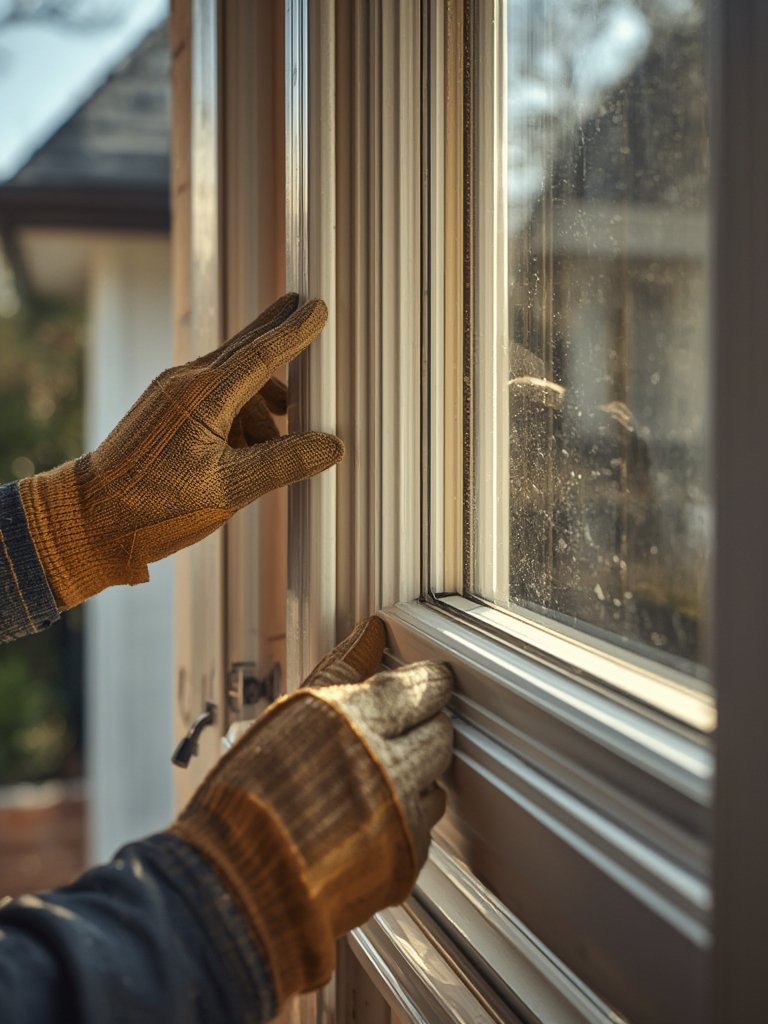
If you’re a DIY enthusiast, you’ll want to brush up on trusted door and window installation guides, as proper airsealing is as important to energy savings as the window glass itself.
Don’t overlook adjacent improvements. Pairing window upgrades with tweaks like low-maintenance landscaping can create an energy-conscious, curb-appealing home that cuts costs indoors and out.
Advanced Analysis & Common Pitfalls
It’s tempting to see energy efficient window replacement as a one-way bet—but there are realistic challenges to budget and ROI. Let’s break down the numbers:
- Upfront costs (2024): $400-$1,000 per window, averaging $600 for high efficiency replacements. A typical 15-window home could spend $9,000 (double-pane) to $12,000 (triple-pane).
- Payback window: For single-pane to double low-e, expect 18-23 years to break even, improving slightly if energy prices rise. Going from older double-pane to triple-pane saves only $144-181/year, so payback stretches toward or beyond 60 years.
- Installation realities: There are almost no documented cases of new high-performance windows falling short of energy savings claims, but sloppy installation or skipping airsealing can undercut expected savings.
- No one-size-fits-all: Not every home gets the full headline benefit. In regions with mild winters, initial savings may be on the low end, making payback slower. Always analyze your local utility rates and climate.
| Window Comparison | Energy Reduction | Estimated Annual Cost Savings |
|---|---|---|
| Triple-pane vs. older double-pane | Up to 30% heating/cooling costs [source] | $144-181 (Minneapolis, NREL) [source] |
| Modern double low-e vs. single-pane | >50% heat loss [source]; 12-13% bills [source] | $101-583; up to $366 nationwide [source] |
| Low-e storm over single-pane | 12-33%; ~10% [source] | ~$350 [source] |
When it comes to technology upgrades in 2026 and beyond, there’s no quantum leap. Most improvements continue to focus on low-e glass, triple glazing, insulated frames, and advanced composites like Fibrex, which reduce energy loss up to 700% vs. old aluminum. No revolutionary upgrades are expected soon, but quality installation and climate-specific glass still drive biggest results.
If you’re optimizing the whole home environment, integrating smart home features like temperature sensors or automated blinds can fine-tune your new window performance.
Conclusion
Whether you live in a freezing climate or just want relief from summer AC costs, energy efficient window replacement delivers proven energy savings that add comfort and value for years. The most significant bang-per-buck comes from replacing single-pane or original 1970s windows, and real-world case studies confirm annual energy savings are both reliable and meaningful. The key to successful results is careful planning, smart product selection, and a truly airtight installation.
If you want to see your home’s energy bills drop or your rooms stay more comfortable from season to season, contact a certified local installer today to get project-specific numbers. For more home transformation ideas—including turning your bedroom into a sleep sanctuary—explore our renovation guides built for 2026 and beyond.
FAQ
How much can I really save with energy efficient window replacement?
Most homeowners save 12-13% on energy bills after upgrading from single-pane windows—between $101 and $583 per year depending on climate and window type. Savings are smaller but still notable if you’re switching from older double-pane units.
How long does it take for energy efficient windows to pay for themselves?
Simple payback ranges from 18-23 years for single-pane to double low-e upgrades, or over 60 years for triple-pane replacements of old double-pane windows. Slight increases in energy prices can improve these timeframes.
Are there any drawbacks to energy efficient window replacement?
The main downsides are upfront cost and long payback timelines. Poor installation can reduce savings. While comfort almost always improves, rare issues like condensation can occur if indoor humidity is not managed.
Can I install energy efficient windows myself?
DIY is possible for experienced homeowners, but professional installation is critical to maximize airtightness and long-term performance. Mistakes during install will undermine your investment.
Is it worth choosing triple-pane over double-pane?
Triple-pane windows offer up to 30% more energy savings than even quality double-panes. However, the extra cost means the payback is slow unless you live in the coldest climates or have unusually high energy bills.