



Intentional room separation is a smart response to the need for more function, privacy, and visual clarity in today’s flexible open-plan homes. Whether you are tired of constant noise, looking for a dedicated work-from-home spot, or trying to minimize daily clutter’s impact, a well-thought-out dividing strategy can transform how your space feels and works.
Key Takeaways
- Intentional room separation addresses noise, privacy, and visual clutter challenges common in open floor plans, especially for work-from-home and family life.
- Glass partitions and partial walls can divide space while keeping light flowing, but proper planning is needed to avoid acoustic and privacy issues.
- Adding room dividers doesn’t always require permits, but informed material choice and an eye for both function and aesthetics are essential for avoiding costly mistakes.
The Core Concept
Intentional room separation is about adding meaning and boundary to semi-open home spaces. Instead of accepting the chaos of open floor plans, you use fixed or movable dividers—like partial walls, glass partitions to carve out a quiet office nook, or pocket doors—to give every area clear function. This improves concentration, supports privacy, and helps organize both family and work zones.
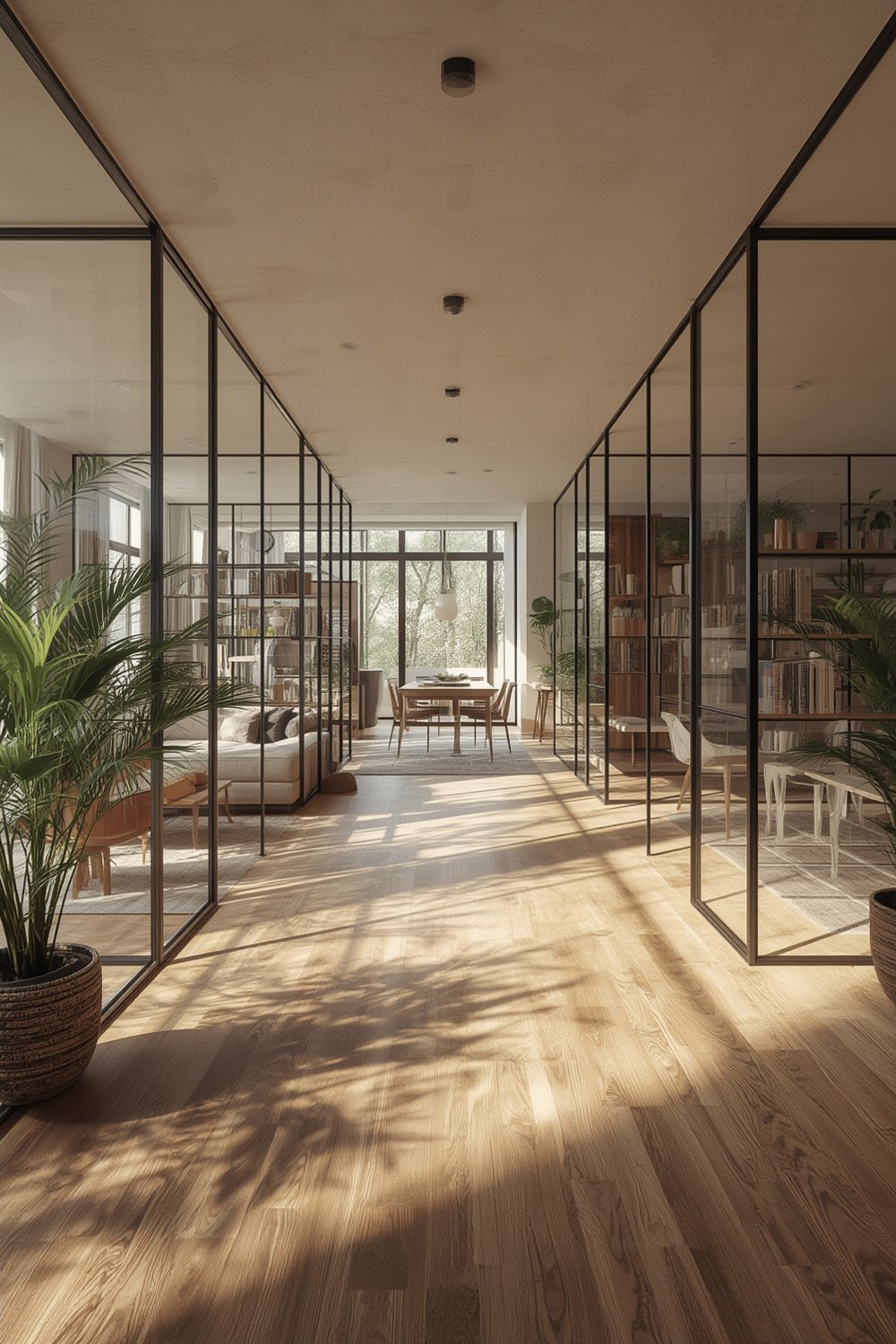
Most modern homes feature open layouts to create a sense of flow and maximize light. However, these open spaces can lead to increased noise, constant distractions, and blurred lines between personal and work areas. Detailed studies in open-plan offices show that noise and lack of privacy are the top sources of dissatisfaction, with lack of privacy causing 25% more discomfort than actual noise (source).
While most homeowners want to maintain visual openness and light, creative separation lets you have both: functional rooms and airy ambiance. This might mean:
- Building a half-wall to frame a family room.
- Installing glass partitions to carve out a quiet office nook.
- Adding a sliding pocket door that can instantly close off a guest bedroom or workspace.
The real value is control—over sight lines, sound, and how each area is used. For deeper home optimization, see ideas for space-saving furniture and cozy bedroom transformations.
Step-by-Step Guide
Ready to create functional division without losing openness? Here’s how to plan and build intentional room separation that fits your lifestyle, home, and budget.
-
Identify Your Needs and Pain Points
Walk through your space at different times of day. Where do you crave privacy? When is noise the worst? Map out the most problematic spots before deciding on solutions. -
Choose Your Divider Type
- Partial Wall Dividers: Solid or framed with glass to block sight and dampen sound.
- Glass Partitions: Maintain light while defining space; opt for frosted for better privacy.
- Pocket Doors: Disappear when not in use; good for flexible use zones.
- acoustic panels or curtains: For renters or low-budget fixes, these absorb sound and can be stylish.
If you want a separation that doubles as decor, check out “dark wood comeback ideas” for rich, sophisticated options.
-
Measure Twice—Plan for Light and Flow
Think critically about where daylight comes in. Glass partitions and partial-height walls are safest bets for keeping interiors bright. For windowless splits, consider transom windows above dividers or light-diffusing materials. -
Budget and Material Considerations
Material choice directly affects cost, upkeep, and look. While specific 2024 installation costs are unreported, glass tends to be pricier than standard drywall. If DIY, calculate time, tool rentals, and potential mistakes into your estimate. For zero-lawn, low-fuss outdoor areas, see low maintenance yard tips. -
Sound Matters: Address Acoustics
Add rugs, curtains, and acoustic baffles where possible. Even a slim partition may not stop sound travel, so think layers: soft furnishings, noise-dampening ceilings, and insulated walls are all worth considering (see the impact of baffles). -
Don’t Overlook Practicalities
Are outlets, vents, or switches getting blocked? Will a divider keep pets and kids where you want them—or make things harder? List all the “what ifs” before you build. -
Avoid Major Permitting Surprises
Most non-load-bearing partitions do not require permits, but always check with your local building department before making permanent changes.
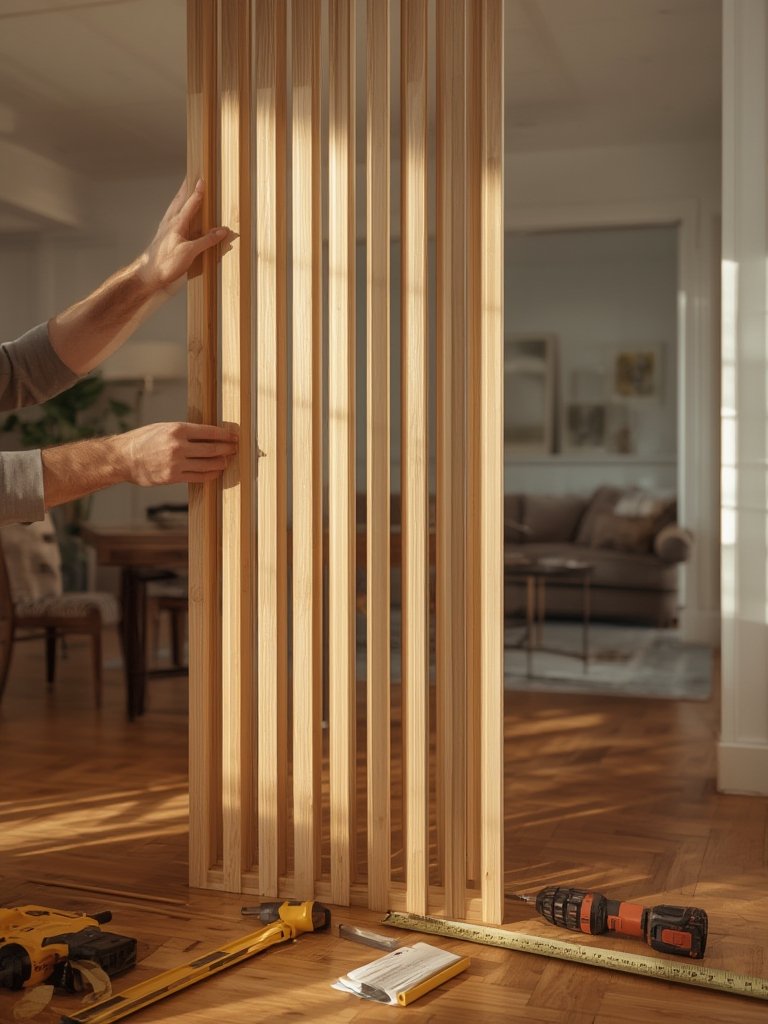
Plan ahead to avoid awkward layouts and wasted effort—small adjustments have a big impact on your everyday comfort.
Bonus: If you’re adding a home office, glass and sealed doors help meet WELL standards for acoustic comfort. You can also upgrade old windows for insulation and noise reduction—consider energy-efficient window replacements for the best results.
Advanced Analysis & Common Pitfalls
Open space division isn’t a silver bullet. Below are realistic pitfalls and overlooked elements homeowners run into, along with ways to do better:
| Separation Strategy | Benefits | Downsides/Common Pitfalls |
|---|---|---|
| Partial wall dividers | Budget-friendly, effective at separating zones, blocks sight lines | Sound leaks over the top, can cut off light if walls are too tall, may block air circulation |
| Glass partitions | Retain light, modern look, can add frosted finish for privacy | Minimal sound reduction, can show smudges/clutter, less privacy if clear |
| Pocket doors | Flexible, disappear when not in use, good for temporary division | Tricky to install in existing walls, moderate sound control, not as airtight for acoustics |
| Freestanding bookcases & panels | Easy DIY, double as storage, no permits usually required | Unstable if not anchored, can look cluttered, limited sound and privacy improvement |
In office research, lack of privacy increased acoustic dissatisfaction 25% more than pure noise (see the data). Few homeowners realize that closing off a space without sealing edges (as in most pocket doors or thin panels) results in limited sound control. Likewise, glass keeps spaces bright but does little to block phone call noise or loud family activities.
Advanced metrics such as speech decay (Lp,A,s,4m) and reverberation (rC) offer ways to measure real acoustic improvement but are rarely discussed in consumer guides. To ensure better living and work conditions—especially for remote work—explore divider systems that meet WELL’s sound mapping and sealing standards (learn more about acoustic sustainability).
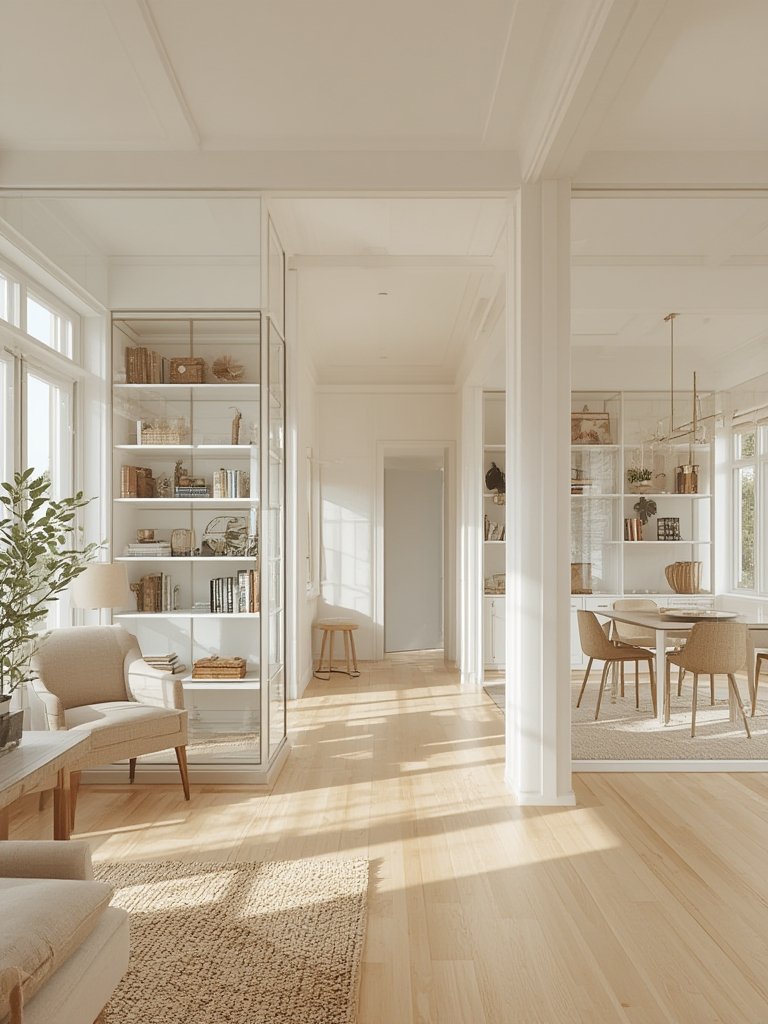
Finally, remember that even well-designed separations can highlight visual mess if you don’t address clutter—smart furniture, bins, and consistent style. For inspiration on keeping things streamlined, check out minimalist living room tips.
Conclusion
With more of us living and working in open-concept homes, intentional room separation is an affordable and powerful way to gain privacy, focus, and calm without sacrificing style or light. By planning ahead, choosing materials with care, and considering function along with looks, you’ll sidestep most pitfalls and create a space that truly works for you. Start your project today, and explore more easy upgrades at Best Pick Home.
FAQ
Does intentional room separation always require construction or permits?
Most non-structural dividers, like freestanding bookcases, screens, or sliding panels, do not require permits. However, permanent walls and major changes could—always check local regulations before you start.
Will any divider cut down on noise?
Not all dividers offer true sound blocking. Solid, floor-to-ceiling partitions with good edge seals work best. Freestanding shelves and glass will mostly just reduce sight lines, not noise.
How do I keep natural light with room separation?
Choose glass partitions or partial-height walls to allow daylight through. You can also add transom windows above opaque dividers, or use light-diffusing materials like frosted glass.
Are there any budget-friendly room separation solutions?
Yes. Double-sided shelving, fabric panels, and folding screens are cost-effective and renter-friendly options. Repurpose bookcases or tall planters for creative budget solutions.
Can room separation improve home value?
Well-executed, attractive dividers can boost perceived usability and privacy, which appeal to many buyers and renters—especially post-2024 as flexible living remains important.
—