



Smart thermostat zoning is changing how homeowners heat and cool their spaces, but does it always deliver perfect comfort and savings? Let’s break down the real-world benefits, steps, and issues to watch for when adopting smart zone control in your home.
Key Takeaways
- Smart thermostat zoning can increase comfort and may reduce heating and cooling costs, but setup needs careful planning.
- Common problems include control panel malfunctions, damper issues, and system complexity impacting reliability.
- Understanding the practical steps and pitfalls helps you get the most from your investment.
- What Is Smart Thermostat Zoning and Why Consider It?
- How to Set Up Smart Thermostat Zoning: Step-by-Step
- Advanced Analysis and Common Pitfalls
- Conclusion
- FAQ
What Is Smart Thermostat Zoning and Why Consider It?
Smart thermostat zoning divides your home into separate temperature-controlled zones, each managed by a smart thermostat. Instead of one temperature for the entire house, you can heat or cool certain areas as you use them, improving comfort and potentially saving energy. Homeowners choose zoning to minimize wasted heating or cooling in unoccupied rooms, lower monthly bills, and solve hot or cold spots that a single thermostat cannot address.
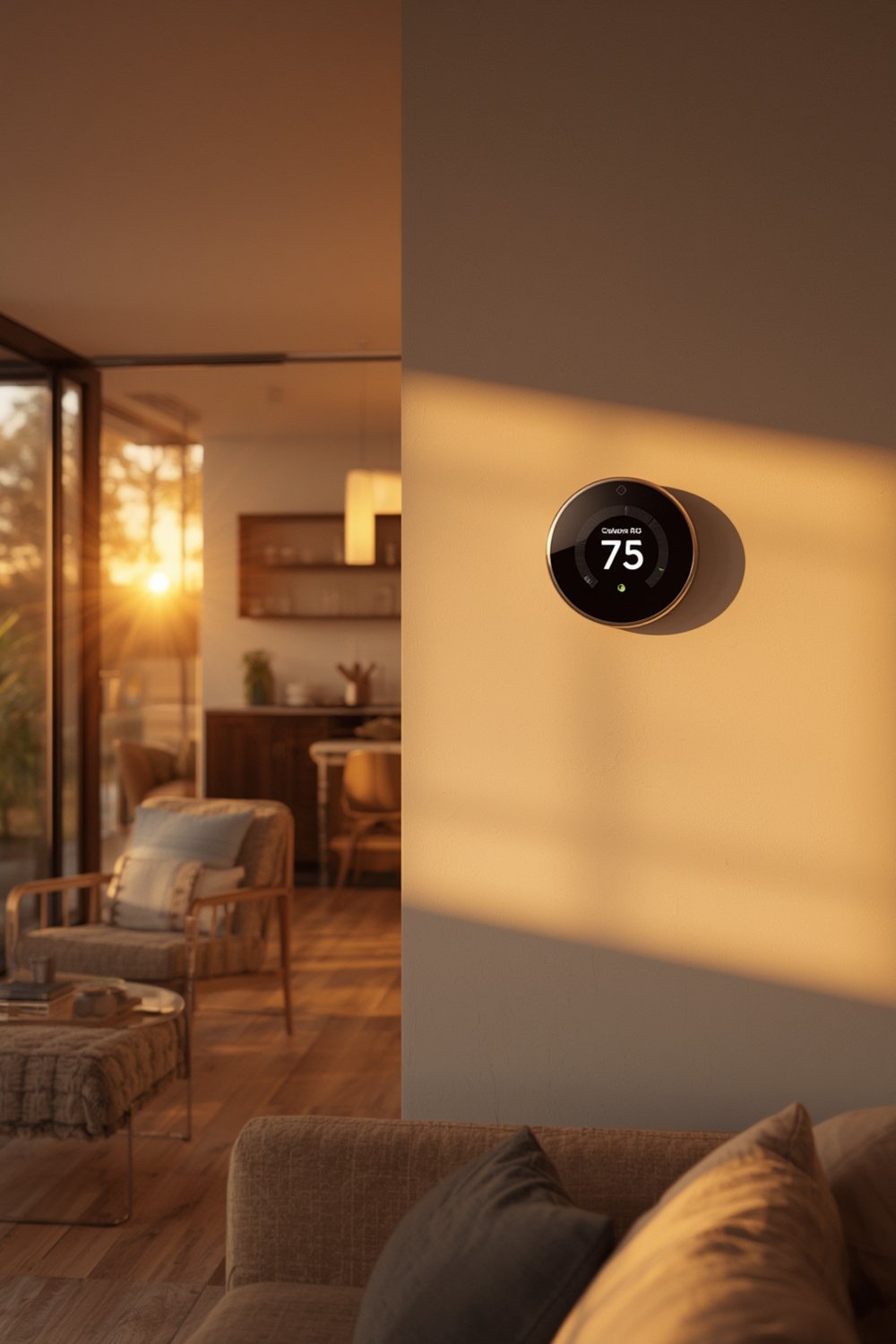
This system works by controlling dampers inside your ductwork to direct airflow only where needed. Modern smart thermostats adjust each zone automatically or by your schedule. For families with varying comfort needs or large homes with uneven temperatures, zoning can be a game changer. However, careful design and awareness of its common challenges are essential for true success.
If you’re already investing in other home upgrades like energy efficient window replacement, smart zoning can help you maximize those gains. Zoning is also compatible with contemporary design choices such as intentional room separation and layouts aiming for both comfort and energy efficiency.
How to Set Up Smart Thermostat Zoning: Step-by-Step
Implementing smart thermostat zoning requires both planning and technical work. Here’s how homeowners and pros typically approach it:
- Assess Your Needs and Layout: Decide how many zones you want and where. Bedrooms, living areas, and basements are common choices. Prioritize zones based on use patterns and problem areas.
- Check Compatibility: Not all HVAC systems work with zoning or smart thermostats. Ensure your furnace and AC support zone dampers, and your preferred Choose smart thermostats for each zone and the necessary electronic dampers for your ductwork. Brands like Ecobee, Honeywell, and Nest vary in features and integration options.
- Select Devices and Dampers: Choose smart thermostats for each zone and the necessary electronic dampers for your ductwork. Brands like Ecobee, Honeywell, and Nest vary in features and integration options.
- Hire a Specialist or Prepare for DIY: Professional installation is recommended for wiring, damper setup, and configuration, but advanced DIYers can take on simpler projects with careful planning.
- Install Thermostats and Dampers: Place thermostats in logical locations, avoiding drafts and direct sunlight. Dampers go in accessible duct runs for each zone.
- Connect to Control Panel: Install a zoning control panel to manage damper signals and thermostat commands. Ensure all wiring is secure and matches manufacturer specs.
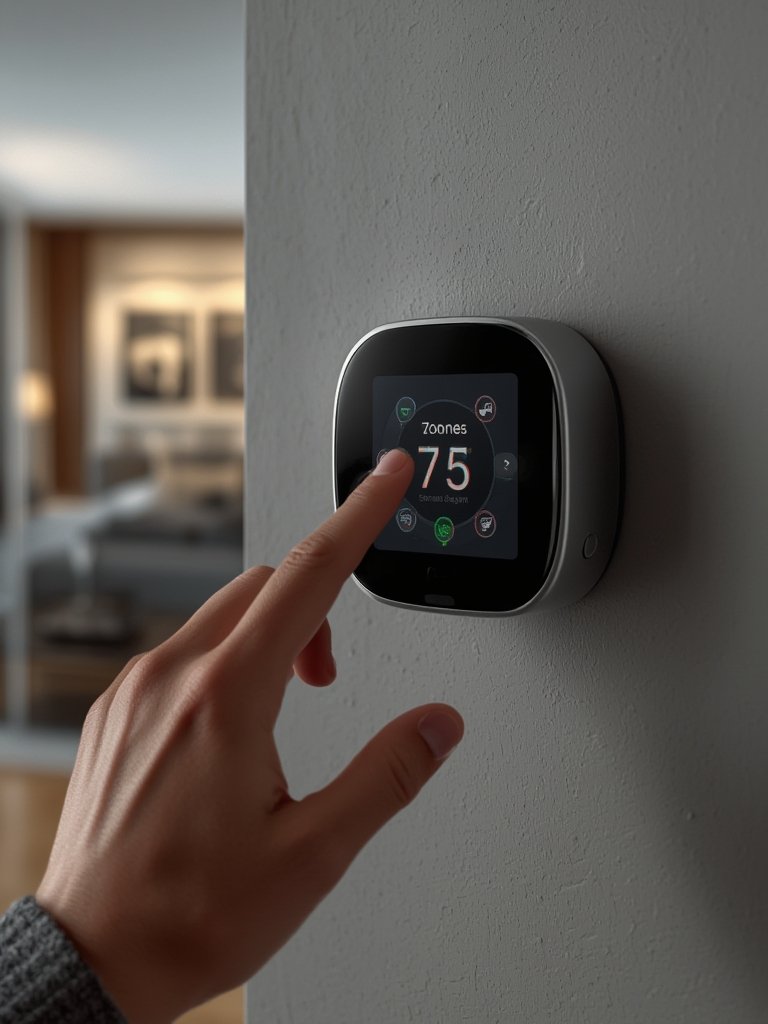
- Configure and Test Zones: Set up each thermostat, test damper operation, and adjust schedules for real-world patterns. Monitor for noise, comfort, and performance issues.
- If your home’s layout or desires change regularly, opt for wireless smart thermostats that are easy to relocate.
- Pair with other smart upgrades, like hidden home storage solutions, to fit smart tech without cluttering visible spaces.
- For eco-friendly homeowners, consider pairing smart zoning with a biophilic home design strategy for both comfort and health.
Always consult with a qualified HVAC technician if you are unsure about existing ductwork, wiring, or system limitations. Mistakes during installation can harm comfort, efficiency, and system lifespan.
Advanced Analysis and Common Pitfalls
While smart thermostat zoning can solve many comfort problems, it introduces new risks that homeowners need to understand. Based on reported user challenges and HVAC expert advice, here are the most common pitfalls:
| Problem | Description | Why It Happens | Source |
|---|---|---|---|
| Thermostat Malfunctions | Zones not responding, uneven temperatures, loss of control options. | Wiring faults, incompatible devices, firmware bugs. | trueheatingcolorado.com |
| Damper Failures | Stuck dampers lead to blocked airflow or wasted heating/cooling. | Dirt buildup, motor failure, installation error. | trueheatingcolorado.com |
| Control Panel Electrical Issues | Entire zoning system stops working or random zone errors. | Power surges, faulty wiring, moisture damage. | andersonaircorps.com |
| Airflow and Static Pressure Problems | Blower motors or compressors wear out prematurely. Some rooms become too noisy or drafty. | Too many closed dampers, undersized bypass duct, lack of system balancing. | eliteheatingandacrepair.com |
| Dirty Air Filters | Reduced airflow and comfort in specific zones, increased energy use. | Lack of ongoing filter maintenance, system neglect. | samedaysd.com |
Here’s some direct advice for sidestepping these pitfalls:
- Test the system frequently—especially after initial installation or changes—to catch thermostat, damper, or airflow issues early.
- Schedule annual maintenance. Include duct inspection, wiring checks, and a smart thermostat firmware update.
- Replace air filters regularly to avoid gradual airflow loss in zoned areas.
- Monitor for noisy ducts or mismatched temperatures; these may reveal hidden damper or static pressure problems.
- If system complexity seems daunting, start with two zones and expand later as you gain experience.
Keep in mind, system complexity also means that diagnosing an issue sometimes involves more steps and costs than a standard HVAC setup. If you’re renovating your kitchen or bedroom, as described in our modern farmhouse kitchen ideas or cozy bedroom makeover guides, coordinate your zoning plans early in the project for the best outcomes.
Ultimately, reading the manuals, keeping a log of issues, and having a qualified HVAC partner on call can make even the most advanced smart thermostat zoning system run smoothly for years.
Conclusion
Smart thermostat zoning brings real benefits in targeted comfort and possible utility savings, provided you plan carefully and understand the risks. Common pitfalls—like damper failures, control issues, and system complexity—are avoidable with the right preparation and regular maintenance.
If you’re thinking about making your home more efficient, combining smart thermostat zoning with other upgrades like energy efficient windows or low-maintenance lawn improvements may increase overall savings. Take the time to consult with professionals for large or complex projects. Start with a small zone if you’re hesitant, and learn as you go.
Ready to enjoy the control and comfort of smart thermostat zoning? Research your system type, ask tough questions, and take the first step—smart comfort is within your reach.
FAQ
How many zones should my home have?
Most homes benefit from two to four zones, such as “living vs. sleeping areas” or “upstairs vs. downstairs.” Extra zones add comfort but increase complexity and installation cost. Assess your usage patterns first.
Will smart thermostat zoning save me money?
It often reduces heating and cooling costs by conditioning only occupied zones, though savings can vary. Actual results depend on home size, insulation, usage patterns, and whether existing equipment is efficient.
Can I install a zoned smart thermostat system myself?
Advanced DIYers may handle simple installations, especially new wireless systems. However, tying into ductwork, installing dampers, and wiring control panels is usually best left to licensed HVAC pros to prevent damage and code issues.
What are the main maintenance needs for smart zoning?
Regularly replace air filters, inspect thermostats and dampers, update firmware, and schedule annual system checkups to keep everything working smoothly and avoid comfort disruptions.
Can I zone a home with radiant or ductless systems?
Radiant and ductless systems can use smart thermostatic control on a per-room basis, though they do not use shared ducts and dampers. Zoning with these systems may require different wiring and controls.